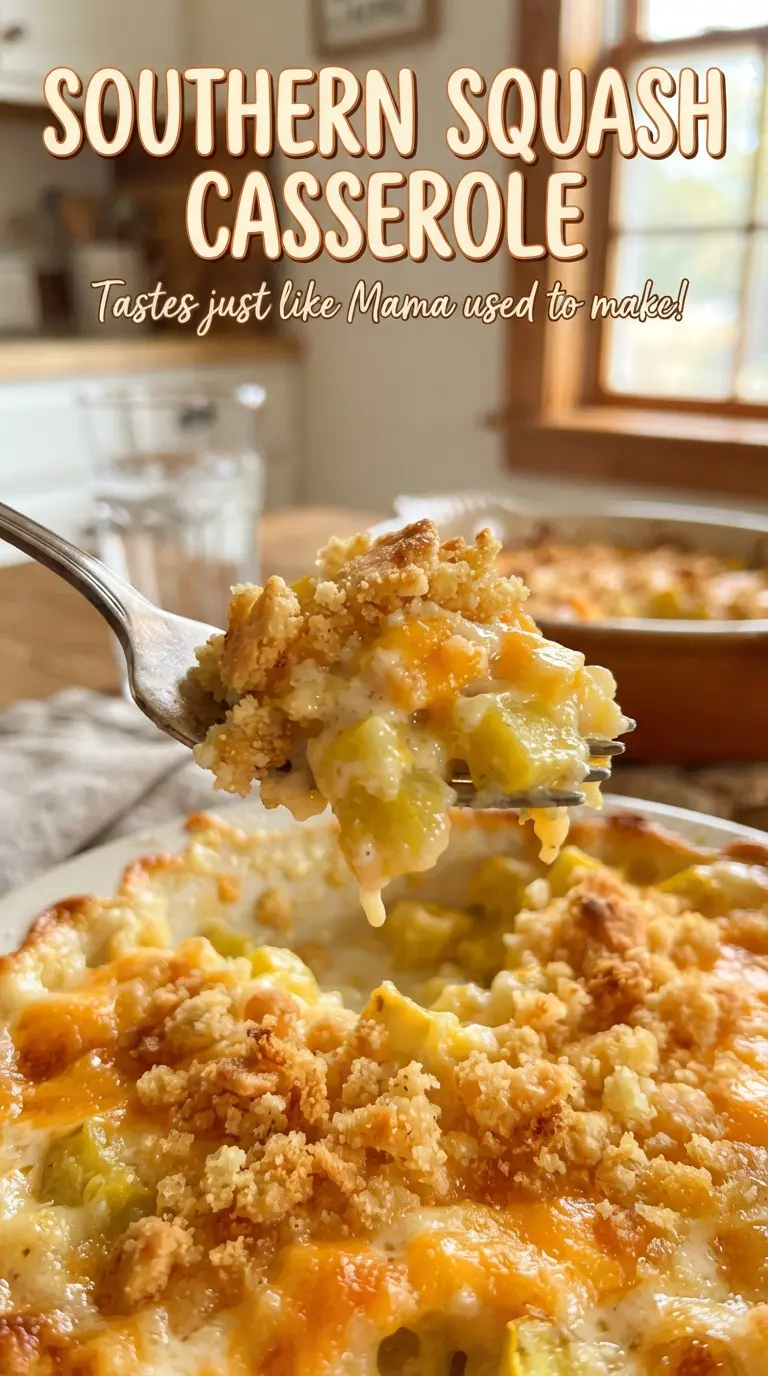
Southern squash casserole turns tender yellow squash into a creamy, savory side with a buttery cracker crust that shatters a little when you spoon through it. The best versions don’t taste watery or heavy. They hold together at the center, stay soft underneath, and finish with a golden top that gives the whole dish its character.
What makes this version work is the attention to moisture. Squash and onion cook down first, then get drained well before they ever meet the egg-and-cheese mixture. That step keeps the casserole from turning soupy in the oven. The sour cream and mayonnaise bring richness and body, while sharp cheddar adds enough bite to keep the flavor from going flat.
Below, I’ll walk through the part that matters most: getting the squash dry enough to bake into a sliceable casserole instead of a puddle. I’ve also included a few smart swaps and storage notes, since this is the kind of side dish that earns a place at both weeknight dinners and holiday tables.
The squash stayed tender without getting watery, and the cracker topping came out crisp even after sitting on the table for a few minutes. I drained it like you said and the casserole sliced cleanly instead of collapsing.
Save this Southern Squash Casserole for the buttery Ritz topping and creamy squash filling that bake up golden every time.
The real reason squash casseroles turn watery
The biggest mistake with squash casserole is treating the squash like it behaves itself in the oven. It doesn’t. Yellow squash carries a lot of water, and once it starts heating, it gives that water up fast. If you skip the drain step, the filling loosens, the eggs have trouble setting, and the cracker topping can turn soft before the center is done.
Cooking the squash with the onion first does two jobs at once: it softens the vegetables and drives off some moisture before the casserole ever goes into the baking dish. Then draining it well in a colander is what keeps the final texture creamy instead of soupy. If the squash still looks glossy and wet when you mix it with the eggs, it needs more time sitting in the colander.
The other detail that matters is not overbaking. You want the center set, not puffed and dry. Pull it when the top is deeply golden and the middle no longer sloshes.
What each ingredient is doing in the dish
- Yellow squash — This is the backbone of the casserole, and fresh squash with firm skin will hold its shape better after cooking. Larger squash work, but if they’re seedy in the center, trim that part out so the texture stays tender instead of mushy.
- Onion — Onion gives the casserole its savory base and keeps the flavor from tasting flat. Dice it small so it cooks down at the same pace as the squash.
- Sharp cheddar — Sharp cheddar brings saltiness and bite. Mild cheddar will melt fine, but the flavor lands softer, so the finished dish tastes less distinctive.
- Sour cream and mayonnaise — These are what give the casserole its creamy, spoonable texture. Sour cream adds tang, while mayonnaise helps with richness and body; swapping both for milk or broth will thin the filling too much.
- Ritz crackers — They’re there for a buttery, crisp top that browns evenly. Saltines can work in a pinch, but they won’t give you the same rich, tender crunch.
- Eggs — The eggs hold everything together as the casserole bakes. Beat them well before mixing them in so they disappear into the filling instead of streaking through it.
Building the casserole so the middle sets and the top stays crisp
Softening the squash first
Cook the squash and onion in butter until the squash is tender and the onion has lost its raw bite. You want the pieces softened, not browned. If you try to build the casserole from raw squash, it releases too much liquid in the oven and the texture turns loose before the eggs can set it.
Draining out the extra moisture
Transfer the cooked squash mixture to a colander and let it drain well. Pressing it gently helps, but don’t mash it into paste; you still want some shape left. If liquid pools under the colander, that’s normal. Give it time. This is the step that decides whether the casserole slices neatly or slumps on the plate.
Mixing the filling without breaking it down
Stir together the cheese, sour cream, mayonnaise, eggs, salt, and pepper, then fold in the squash gently. Folding keeps the squash pieces intact and helps the casserole bake up with a better texture. Once it’s mixed, spread it into the dish in an even layer so the center cooks at the same pace as the edges.
Finishing with the buttery crumb top
Toss the crushed crackers with melted butter until every crumb looks coated, then scatter them over the top right before baking. That butter is what turns the crust from dry crumbs into a golden lid. Bake until the topping is browned and the center is set when you jiggle the pan lightly. If the top browns too fast, lay a loose piece of foil over it for the last few minutes.
How to adapt this casserole for different tables and schedules
Gluten-free topping
Use gluten-free buttery crackers or crushed gluten-free cornflakes in place of the Ritz crackers. You’ll still get a crisp top, though the flavor will be a little less rich and the crumb will be slightly lighter and more brittle.
Dairy-free version
Swap the butter for a dairy-free butter and use a good melting vegan cheddar plus dairy-free sour cream and mayo. The casserole will still hold together, but it won’t have quite the same tangy richness, so season it well with salt and black pepper.
Make it ahead for a crowd
Assemble the filling in the baking dish a few hours ahead, but wait to add the cracker topping until just before baking. If the crumbs sit on the filling too long, they soften before they ever hit the oven.
Extra-cheesy casserole
Add another half cup of cheddar if you want a firmer, cheesier filling. The casserole will taste a little saltier and richer, but too much cheese can make it feel dense, so don’t go much beyond that unless you also like a thicker bake.
Storage and Reheating
- Refrigerator: Store leftovers covered for up to 4 days. The topping softens, but the flavor stays good.
- Freezer: It freezes best without the cracker topping. Freeze the baked casserole tightly wrapped, then add a fresh buttered crumb top before reheating if you want the best texture.
- Reheating: Reheat in a 325F oven, covered loosely with foil, until hot through. The oven keeps the top from turning soggy the way the microwave can.
Questions I get asked about Southern squash casserole

Southern Squash Casserole
Ingredients
Equipment
Method
- Preheat oven to 350F and grease a 9x13-inch baking dish.
- Cook sliced yellow squash and diced onion in 2 tablespoons butter for 10-12 minutes until tender.
- Drain the squash and onion well in a colander to remove excess moisture, preventing a watery casserole.
- In a bowl, mix shredded sharp cheddar, sour cream, mayonnaise, beaten eggs, salt, and black pepper until combined.
- Fold the cooked squash and onion into the cheese mixture until evenly coated.
- Spread the filling into the greased 9x13-inch baking dish in an even layer.
- Toss crushed Ritz crackers with melted butter, then sprinkle over the top for a buttery crust.
- Bake for 30-35 minutes until the casserole is golden and set, with bubbling around the edges.