Overnight cinnamon apple baked French toast casserole comes out with a soft, custardy middle and a crisp, streusel-topped lid that cracks under your fork. The apples turn tender and fragrant without disappearing, and the whole dish lands somewhere between French toast, bread pudding, and apple pie breakfast in the best possible way. It’s the kind of pan that clears out fast because it tastes like you spent all morning on it, even though most of the work happened the night before.
The trick is using sturdy bread like brioche or challah so the custard soaks in without turning mushy. The apples go in raw, which means they soften in the oven and keep their shape instead of collapsing into sauce. A little maple syrup in the custard gives the whole casserole a deeper sweetness than plain sugar alone, and the streusel on top keeps the texture from going flat.
Below, I’m breaking down the one step that keeps the casserole from baking up soggy, plus the ingredient choices that matter most if you want that golden top and soft, even center.
The custard soaked through evenly overnight, and the top still came out crisp after baking. My kitchen smelled like cinnamon apples for hours, and the streusel stayed crunchy instead of disappearing into the casserole.
Love that crunchy cinnamon-sugar top and tender apple center? Save this overnight French toast casserole for an easy make-ahead breakfast.
The Overnight Soak That Keeps the Center Custardy, Not Wet
The biggest mistake with French toast casserole is assuming more soaking time automatically means a better bake. Past a certain point, the bread turns saturated instead of custardy, and the bottom can slide into a dense, eggy layer that never really sets. The goal is overnight chilling with enough bread structure left to hold the custard, not bread floating in a sweet puddle.
That’s why a sturdy loaf matters here. Brioche and challah both have enough richness to taste luxurious, but they still hold their shape after a night in the fridge. Pressing the bread down gently after pouring in the custard helps every cube absorb liquid evenly, and the rest in the refrigerator gives the eggs time to move into the bread without needing extra stirring later.
- Sturdy bread: Brioche gives a softer, richer result; challah stays a little more structured. Day-old bread works best because fresh bread can collapse faster once the custard goes in.
- Raw apples: They soften as the casserole bakes and keep a fresh apple bite. If you sauté them first, you lose that clean apple flavor and the dish turns heavier.
- Maple syrup in the custard: This adds depth that plain white sugar can’t match. It also helps the custard taste integrated instead of just sweet.
- Streusel topping: The cold butter is what gives you those crisp, sandy crumbs on top. If the butter is soft, you’ll get paste instead of crumble.
What Each Ingredient Is Doing in the Pan
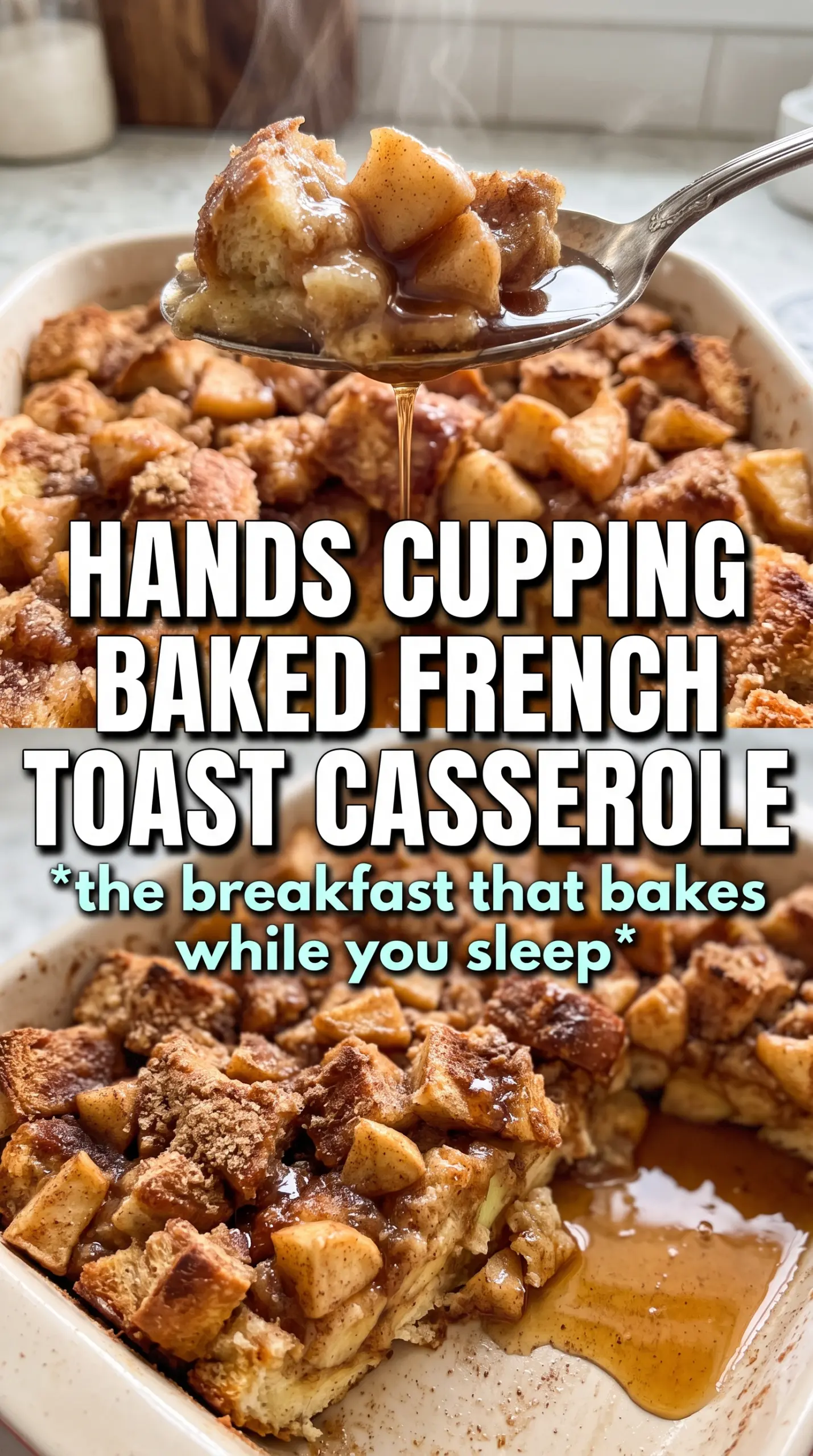
The eggs and dairy form the custard base, but they need balance. Whole milk gives body without making the casserole too rich, while heavy cream adds that soft, bakery-style texture in the middle. If you swap in all milk, the result is still good, just a little lighter and less plush.
- Brioche or challah: Use either one, depending on what you can find. Brioche is richer and sweeter; challah bakes up slightly less delicate and holds the custard well.
- Apples: Use a firm baking apple so the pieces stay distinct. Honeycrisp, Granny Smith, or Braeburn all work well, depending on whether you want more tartness or more sweetness.
- Brown sugar: This deepens the custard and streusel with a molasses note. White sugar won’t give the same warm, baked flavor.
- Nutmeg and vanilla: They round out the cinnamon and keep the casserole from tasting flat. Don’t skip the vanilla; it makes the whole dish smell like it’s already been in the oven for an hour.
- Flour in the streusel: It helps the topping hold together as crumbs instead of melting into the custard. Use all-purpose flour here, not cake flour.
Building the Casserole So the Top Stays Crisp
Assembling the Bread and Apples
Grease the dish well, then spread the bread cubes and diced apples in an even layer so the custard can move through the pan without pooling in one corner. If the bread is packed too tightly, the center stays dry while the edges get soggy. You want visible gaps between pieces at first; they’ll fill in once the custard settles overnight.
Mixing the Custard
Whisk the eggs, milk, cream, maple syrup, brown sugar, cinnamon, nutmeg, vanilla, and salt until the mixture looks smooth and fully blended. Don’t rush this part, because streaky eggs make uneven custard pockets in the baked casserole. Pour it over the bread in a slow, even stream so the top pieces get enough liquid before everything goes into the fridge.
Resting Overnight and Adding the Streusel
Cover the dish tightly and refrigerate it overnight, then bring it out about 30 minutes before baking so the chill comes off the pan a little. That short rest helps the casserole bake more evenly and reduces the chance of a cold center with an overdone top. The streusel goes on right before baking, which keeps the butter cold enough to brown into crisp crumbs instead of dissolving into the custard.
Baking Until Set
Bake until the top is deeply golden and puffed, and the center gives a slight wobble when you nudge the pan. If the middle still looks wet, keep baking in short bursts rather than guessing and pulling it early. The casserole finishes setting as it rests, and that last bit of oven time is what keeps the slices clean instead of spoonable.
How to Adapt This for the Pantry, the Diet, or a Bigger Table
Dairy-Free Version
Swap the milk and cream for full-fat canned coconut milk or a rich unsweetened oat milk blend. Coconut milk gives the most custardy result, while oat milk makes a milder casserole with less richness. The texture still sets well, but the flavor shifts away from classic French toast and picks up a subtle coconut note if you use canned coconut milk.
Gluten-Free Version
Use a sturdy gluten-free brioche-style loaf if you can find one, or another dense GF sandwich bread cut into cubes and dried out a bit before assembling. The casserole will still work, but gluten-free bread tends to break down faster, so don’t oversoak it if you can avoid it. A loaf with some chew gives you the best chance at a defined, sliceable bake.
Make It Brighter with Tart Apples
If you want more contrast against the sweet custard and streusel, use Granny Smith apples. They hold their shape and keep the casserole from leaning too sweet, which is useful if you plan to serve it with extra maple syrup. The finished dish tastes a little sharper and more apple-forward.
Storage and Reheating
- Refrigerator: Store leftovers covered for up to 4 days. The streusel softens a little, but the flavor stays great.
- Freezer: Freeze baked portions tightly wrapped for up to 2 months. Thaw in the fridge before reheating so the center warms evenly instead of drying out.
- Reheating: Warm in a 325F oven, covered loosely with foil, until heated through. The microwave works in a pinch, but it softens the topping fast, so the oven is better if you want the crumbs to stay crisp.
Answers to the Questions Worth Asking
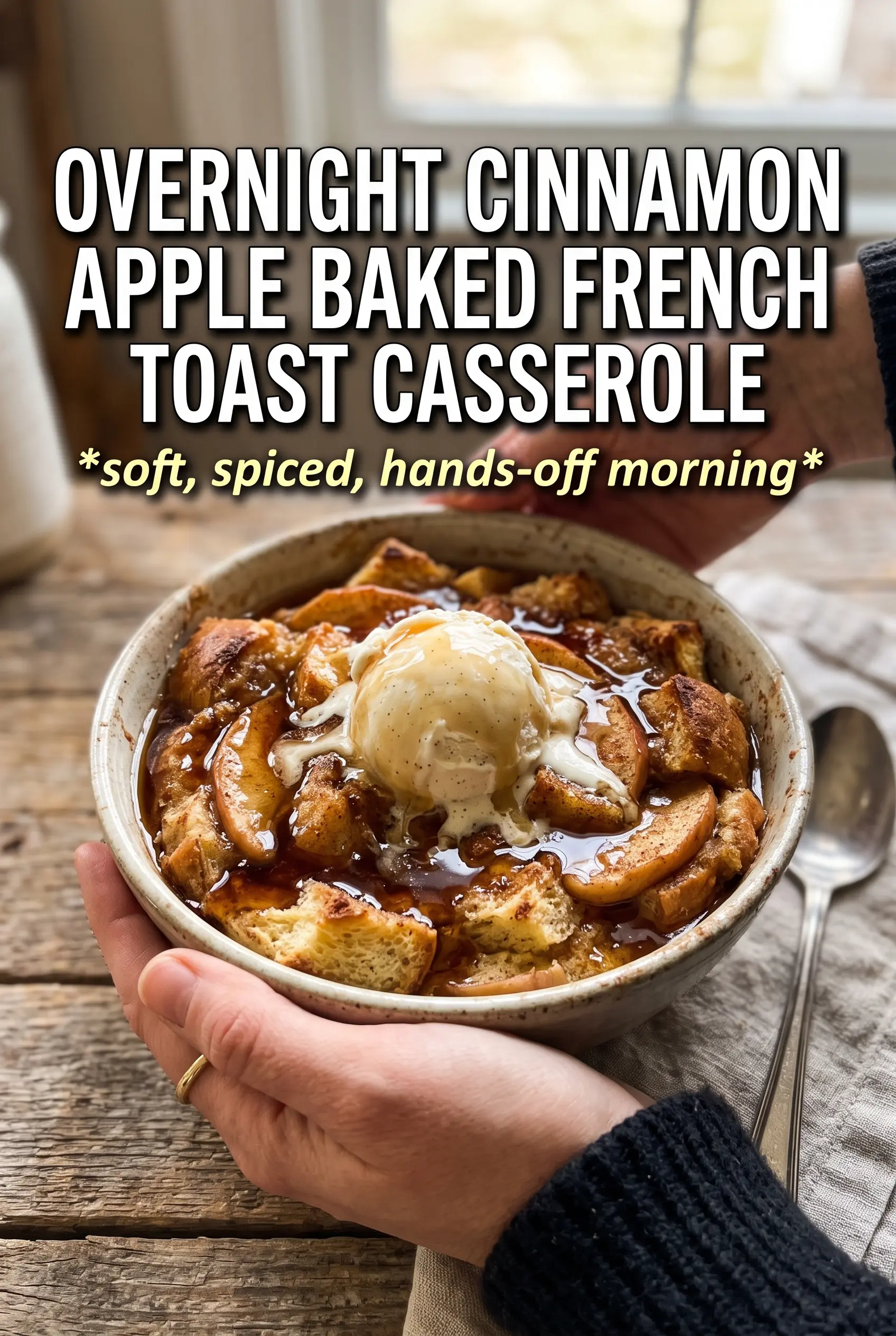
Overnight Cinnamon Apple Baked French Toast Casserole
Ingredients
Equipment
Method
- Grease a 9x13 baking dish, then arrange the brioche or challah cubes and diced apples in an even layer.
- Whisk eggs, whole milk, heavy cream, maple syrup, brown sugar, cinnamon, nutmeg, vanilla extract, and salt until smooth, then pour the custard over the bread and apples.
- Press the bread down gently so the cubes absorb the custard, leaving a small amount visible on top.
- Cover the dish tightly and refrigerate overnight so the casserole sets and soaks fully.
- Combine flour, brown sugar, and cinnamon for the streusel, then cut in cold butter until crumbly.
- Remove the casserole from the fridge 30 minutes before baking, then preheat the oven to 350°F.
- Scatter the streusel over the top in an even layer.
- Bake for 50–55 minutes at 350°F until the top is golden and puffed in the center and around the edges.
- Let the casserole rest briefly, then serve warm with warm maple syrup drizzled over and powdered sugar dusted on top.