Cinnamon fried apples turn into the kind of side dish people keep sneaking spoonfuls of straight from the skillet. The apples stay tender but not mushy, the sauce cooks down glossy and spoonable, and the cinnamon-brown sugar coating clings to every slice instead of pooling thinly at the bottom. Served warm, they land somewhere between dessert and a classic Southern side, which is exactly why they disappear fast.
The trick is starting with firm apples that can hold their shape while they cook. Honeycrisp gives you sweetness and a softer bite, while Granny Smith stays sharper and a little firmer, so both work depending on how much tartness you want. The cornstarch goes in near the end, after the apples have released some juice, so the sauce thickens without turning gummy or cloudy. Vanilla is the last note, and it matters more than it looks on paper; it rounds out the spice and makes the whole pan taste finished.
If you’ve ever ended up with apples that were either crunchy in the center or collapsed into applesauce, the process below will help you avoid both. I also included a few swaps and storage notes, since this is the kind of side dish that’s handy for holidays, pork chops, pancakes, or a bowl eaten warm with a spoon.
The apples held their shape and the sauce thickened up beautifully in the last few minutes. I used Granny Smith and it was the perfect sweet-tart balance with the cinnamon.
Save these cinnamon fried apples for the nights when you want a glossy, spoonable Southern side in under 30 minutes.
The Reason These Apples Stay Tender, Not Mushy
The line between tender apples and soft, broken-down apples comes down to heat and timing. If the pan runs too hot, the outside of the slices collapse before the centers have a chance to cook through. If the heat stays too low, the apples steam in their own juices and never pick up that syrupy coating that makes this dish worth repeating.
Covering the skillet for the first part of the cook is what gets the apples moving. The lid traps steam just long enough to soften the fruit, while the butter, sugar, and spices build a base underneath. Then the lid comes off and the cornstarch slurry finishes the job by tightening the juices into a glossy sauce instead of a watery puddle.
- Firm apples — Honeycrisp and Granny Smith hold up best here. Softer varieties can work, but they break down faster and give you more of a compote than distinct slices.
- Butter — This carries the spices and gives the sauce a round, rich finish. Margarine works in a pinch, but it won’t taste as full.
- Cornstarch — This is what turns the pan juices into a light glaze. Arrowroot can substitute, but use a little less and whisk it in just as carefully.
What Each Ingredient Is Actually Doing in the Pan
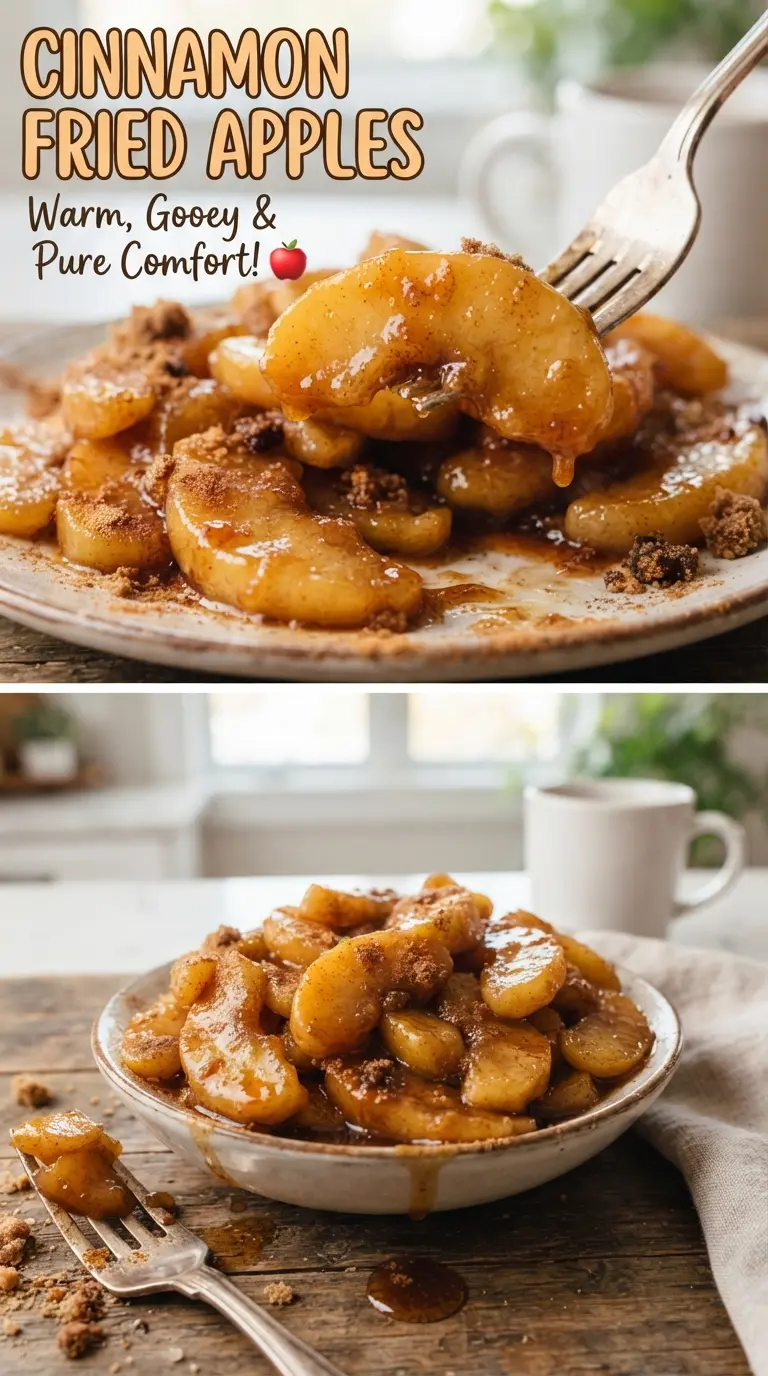
- Apples — Choose firm, crisp fruit so the slices stay intact. Slice them evenly so they cook at the same pace; uneven pieces leave you with some too firm and some falling apart.
- Brown sugar — This melts into the butter and apple juices, giving the sauce its molasses depth. Light or dark brown sugar both work; dark brown sugar just makes the finish a little deeper.
- Cinnamon and nutmeg — Cinnamon is the main flavor, while nutmeg adds a quieter warmth underneath. Freshly grated nutmeg is nice, but the jarred kind works fine here because it’s used in a small amount.
- Water — This is only for the cornstarch slurry. Whisk it smoothly before it hits the skillet so the thickener disperses evenly and doesn’t clump.
- Vanilla — Stir it in at the end so the aroma stays bright. If it cooks too long, it loses the lift that makes the sauce smell bakery-soft.
Building the Syrupy Coating Without Breaking the Apples
Softening the Fruit First
Melt the butter over medium heat, then add the apples, brown sugar, cinnamon, nutmeg, and salt right away. Stir until every slice looks coated and glossy, then cover the pan. The apples should start to look slightly translucent at the edges after a few minutes, and you should see a little steam collecting under the lid. If the pan looks dry, the heat is too high; lower it so the sugar doesn’t scorch before the apples soften.
Turning Juices into Sauce
Once the apples are just tender, whisk the cornstarch with the water until smooth and pour it in. The sauce will look thin for a minute, then start to thicken as it simmers. Keep stirring gently while it cooks so the thickened syrup coats the fruit instead of sticking to the bottom. If the sauce turns cloudy or pasty, the slurry went in too fast or the heat was too aggressive.
Finishing for Shine and Aroma
Take the skillet off the heat and stir in the vanilla. That last step keeps the vanilla from fading and prevents the sauce from reducing past the point where it looks sticky instead of glossy. Serve the apples warm, while the syrup is still loose enough to spoon over biscuits, pork chops, or ice cream. As they sit, they thicken a little more, which is normal.
How to Adapt These Apples for Different Tables
Dairy-Free Version
Swap the butter for a plant-based butter that behaves well in heat. You’ll lose a little of the classic dairy richness, but the brown sugar and spices still carry the dish, and the texture stays the same as long as you use a fat that melts cleanly.
Less Sweet, More Tart
Use all Granny Smith apples and cut the brown sugar back a tablespoon or two. The sauce will still thicken, but the finish will lean brighter and less dessert-like, which works well beside savory mains.
Extra-Syrupy for Biscuits or Pancakes
Add an extra tablespoon of water with the cornstarch slurry and simmer just until glossy. This gives you more spoonable sauce and a looser finish, but don’t add too much liquid or the apples will drift into stew territory.
Storage and Reheating
- Refrigerator: Store in an airtight container for up to 4 days. The sauce will thicken as it chills, and the apples will soften a little more.
- Freezer: Freezing works, but the apples soften noticeably after thawing. Freeze in a shallow container for up to 2 months if texture matters less than convenience.
- Reheating: Warm gently on the stove over low heat or in short microwave bursts. Add a splash of water if the syrup has tightened too much; high heat will push the apples past tender and make them break down.
Answers to the Questions Worth Asking
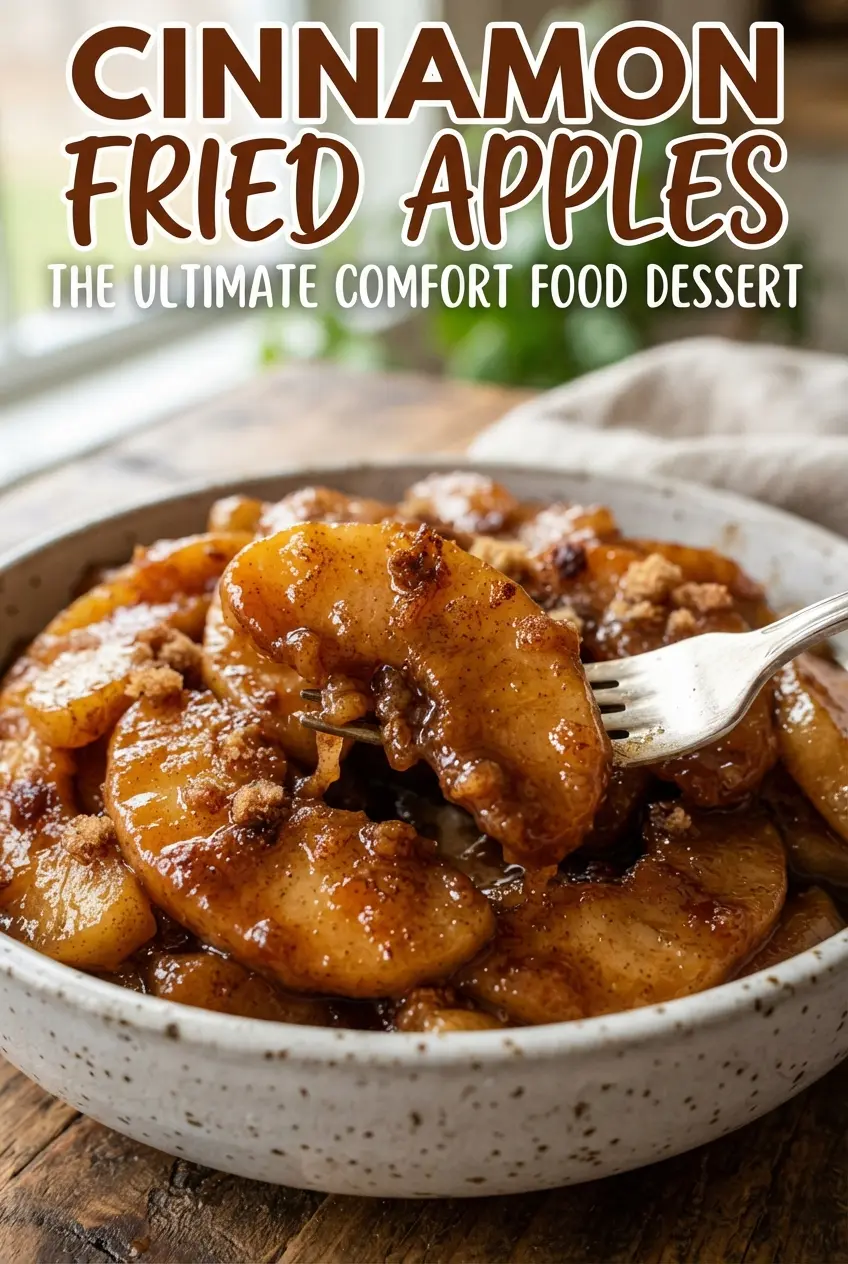
Cinnamon Fried Apples
Ingredients
Equipment
Method
- Melt the butter in a large cast iron skillet over medium heat until fully melted and foamy. Add the apples, brown sugar, cinnamon, nutmeg, and salt, then stir to coat every slice.
- Cover the skillet and cook for 8-10 minutes over medium heat, stirring occasionally, until the apples are just tender. Watch for softening at the edges but still holding their shape.
- Whisk the cornstarch with the water, then pour it into the skillet while stirring. You should see the liquid start to look slightly cloudy as it combines with the syrup.
- Simmer for 2-3 minutes, stirring, until the sauce thickens and turns glossy. The spoon should leave a brief trail through the syrup before it slowly fills in.
- Stir in the vanilla extract and remove from heat. Serve warm as a saucy scoop over the apples.


