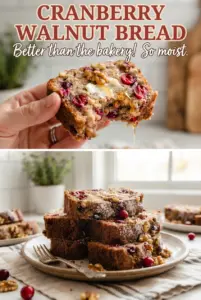
Honey baked ham lands on the table with a glossy, crackly crust and slices that stay juicy all the way through. The sugar melts into the honey and butter, then bakes into a caramel shell that clings to the outside instead of sliding off in a sticky puddle. Every slice gets a little sweet, a little warm spice, and that salty ham underneath that keeps the whole thing from tasting like dessert.
The trick is in the layering. A fully cooked spiral ham only needs gentle heat at first, so the meat warms through without drying out. The real work happens at the end, when the ham gets brushed and sugared in rounds at high heat. That repeated coating builds a thicker crust than a one-time glaze ever will, and it gives you those crisp, lacquered edges people always race for at the table.
Below, I’ll walk through the part that matters most: how to keep the ham moist while still getting that caramelized finish. I’ve also included the substitutions and storage notes that help when you’re cooking for a crowd and want the whole pan to come out cleanly and slice beautifully.
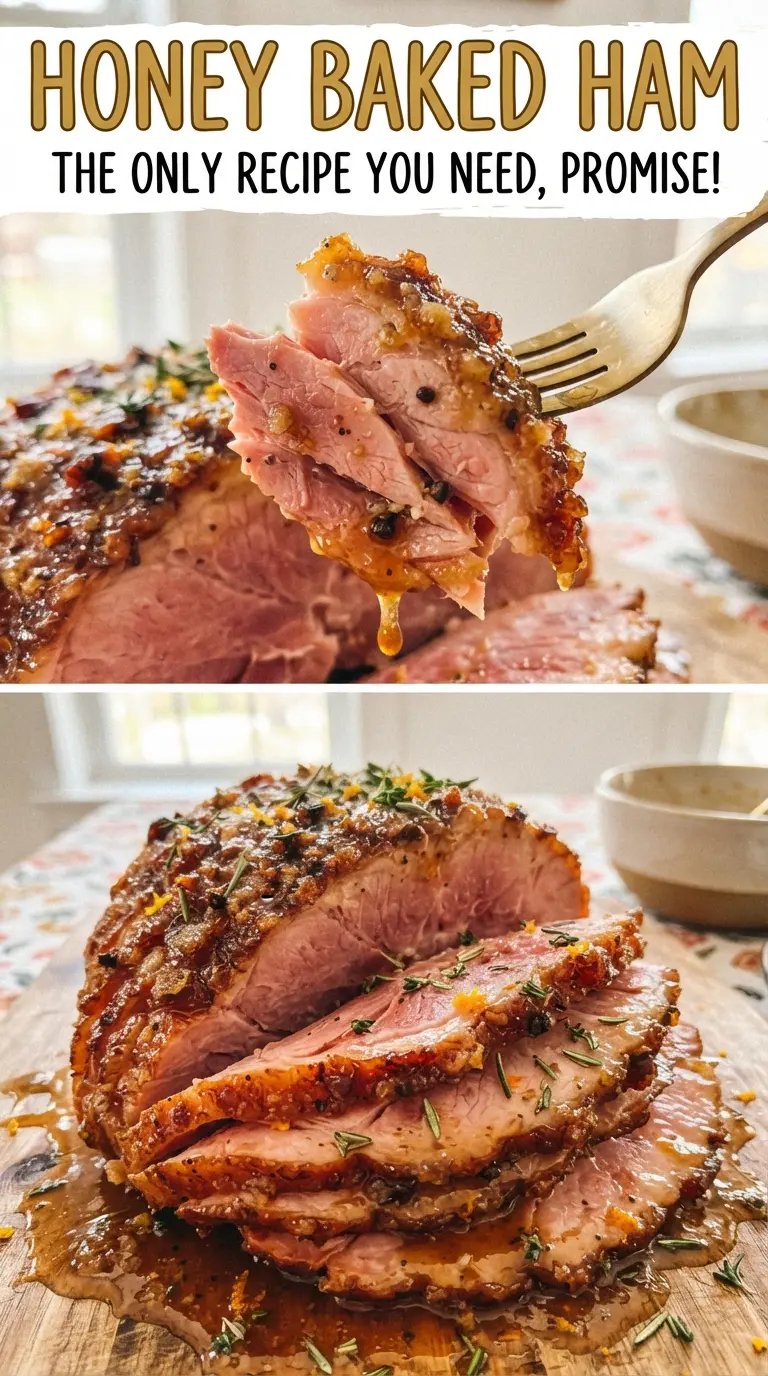
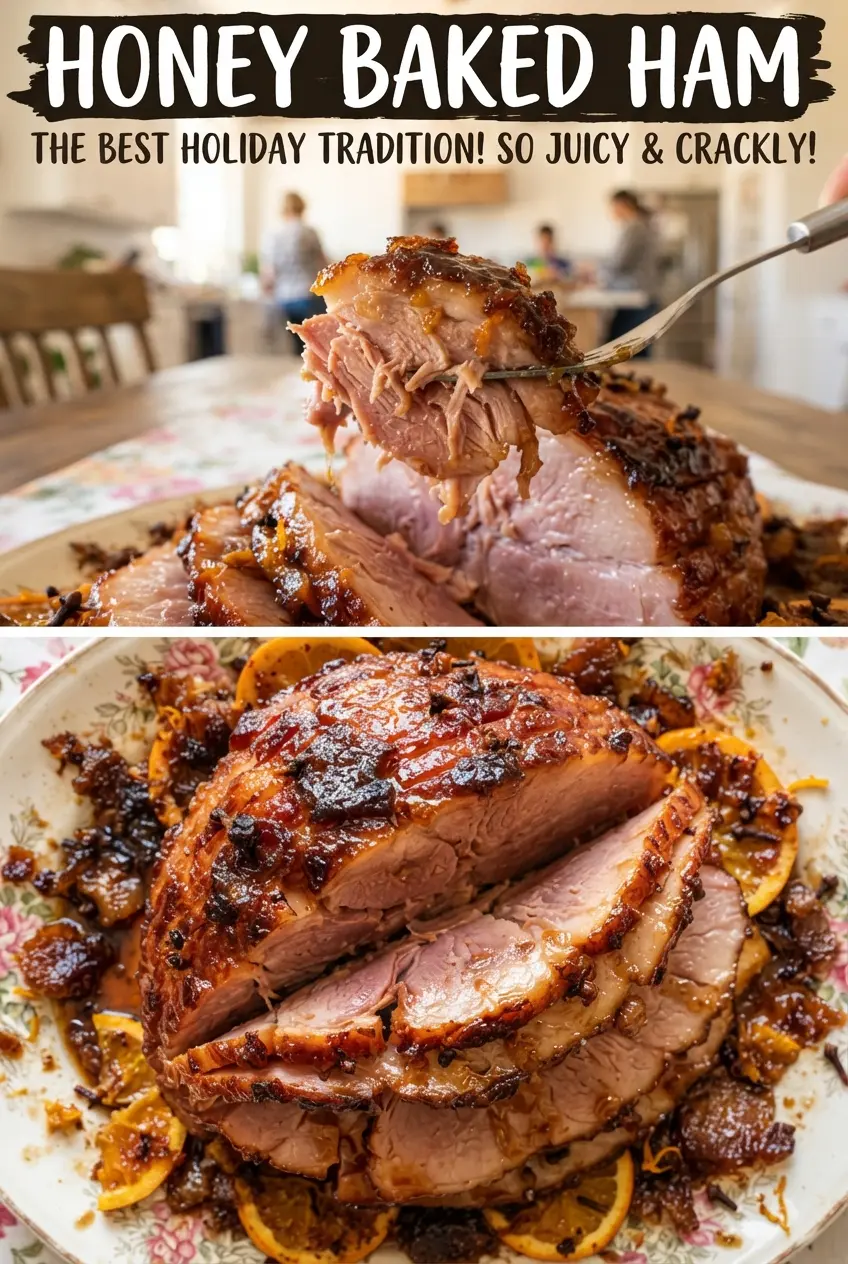
The crust turned out exactly like the photos — crisp on top, sticky around the edges, and the spiral slices stayed moist instead of drying out. My family kept picking at the candied bits from the pan while dinner was still on the table.
Save this honey baked ham for the holiday table when you want a crackly spiced crust and juicy spiral slices.
The Best Crust Comes From Repeating the Glaze, Not Just Brushing It Once
Most glazed hams go wrong because the coating is added too early and too loosely. The surface gets wet, the sugar dissolves, and you end up with a thin sheen instead of that crackly, caramelized shell. Here, the ham warms first under foil, then gets several rounds of honey butter and spiced sugar at a high oven temperature. That timing keeps the meat protected while the outside dries just enough to turn glassy and crisp.
The other mistake is using only one sweetener. Honey brings the shine and floral depth, butter helps the glaze cling, and the mix of white sugar and brown sugar gives you both crisp edges and a deeper caramel note. The spices matter too, but they work best as background warmth, not as the main flavor. If you pile on too much clove or ginger, the crust gets sharp instead of balanced.
- Spiral-sliced bone-in ham — Bone-in hams stay juicier and bring more flavor to the pan, while the spiral cuts let the glaze seep between slices. A boneless ham works in a pinch, but you’ll lose some of that built-in moisture and the slices won’t open up as neatly.
- Honey and butter — This is the part that helps the sugar stick and melt into a lacquered crust. If your honey is thick, warm it just enough to loosen it before brushing so it spreads evenly instead of clumping.
- Brown sugar and granulated sugar — Brown sugar gives depth and a little chew, while white sugar helps create a sharper crackly finish. Don’t swap in all brown sugar unless you want a softer, stickier crust.
- Warm spices — Cinnamon, cloves, ginger, nutmeg, allspice, and paprika turn the glaze from plain sweet to the kind of finish people remember. If you’re missing one spice, skip it rather than doubling another; clove especially takes over fast.
What Each Ingredient Is Actually Doing in This Recipe
- Primary ingredient (the star) — Quality matters most. Choose the best you can find.
- Cooking medium (oil, butter, or broth) — This carries flavors and prevents dryness.
- Seasonings (salt, pepper, spices, herbs) — Layer flavors so nothing overpowers. Build depth gradually.
- Aromatics (garlic, onion, herbs) — Cook with fat to bloom flavors. Become the foundation.
- Supporting ingredients — Complement the main ingredient without overpowering it.
- Sauce or liquid (if applicable) — Brings flavors together. Balance richness with acid.
- Acid (lemon, vinegar, wine, or other) — Brightens and prevents flat-tasting results.
- Final finish (garnish, glaze, or sauce) — Prevents one-dimensional taste and adds visual appeal.
Getting the Ham Hot Without Drying Out the Sugar Shell
Start Low and Covered
Set the ham cut-side down in a roasting pan and cover it tightly with foil before it goes into the oven. That first stretch of gentle heat brings the meat up to temperature without exposing the exterior to too much evaporation. If the foil is loose, the steam escapes and the outer slices dry out before the center is warm.
Build the Crust in Rounds
When the ham reaches about 120F inside, pull off the foil and brush on the honey butter. Pat the spiced sugar over the surface instead of dumping it all in one place, then return it to the hotter oven for a short burst. Repeat that brushing and sugaring two more times; the crust gets thicker and more even with each layer, and you’ll see it turn glossy before it turns deeply caramelized.
Watch the Color, Not Just the Clock
By the end, the sugar should look deep golden and feel set, with little crackly spots where it has caramelized along the edges. If it starts to smoke hard or look nearly black, the oven is too hot or the ham is too close to the top element. A little darkening is good here; burnt sugar tastes bitter, and that’s the line you’re trying to stay on the right side of.
Let the Juices Settle Before Slicing
Once the ham reaches 140F, rest it for 15 minutes before serving. That pause keeps the juices from running out onto the board the second you slice in. The crust will still be crisp enough to cut, and the slices will hold together instead of shredding under the knife.
How to Adapt This Honey Baked Ham for Different Tables
Brown Sugar Only, for a Deeper Caramel Finish
Swap the granulated sugar for more brown sugar if you want a softer, darker crust with a molasses note. The coating won’t shatter quite the same way, but it will cling a little more and taste richer against the salty ham.
Gluten-Free Without Changing the Method
This recipe is naturally gluten-free as written, as long as your ham and spices are certified gluten-free. The technique stays exactly the same, which is one reason this dish works so well for mixed holiday tables.
Dairy-Free Glaze
Use a dairy-free butter substitute with a neutral flavor if you need to avoid dairy. The glaze will still brown and cling, though it may set a little less firmly than one made with real butter.
Making It Ahead for a Crowd
You can mix the sugar and spice blend a day ahead and keep it sealed at room temperature. The ham itself is best glazed just before the final high-heat rounds, because the crust loses its snap if it sits too long after caramelizing.
Storage and Reheating
- Refrigerator: Store sliced ham in an airtight container for up to 4 days. The crust softens in the fridge, but the meat stays moist.
- Freezer: Freeze slices tightly wrapped with a little pan juice for up to 2 months. The sugar crust won’t stay crisp after freezing, but the flavor holds up well.
- Reheating: Reheat covered at 300F with a splash of the pan juices or water until just warm. High heat dries ham fast, so warm it gently and uncover only at the end if you want to re-crisp the outside for a few minutes.
Answers to the Questions Worth Asking
Honey Baked Ham
Ingredients
Equipment
Method
- Preheat the oven to 325°F. Place the ham cut-side down in a roasting pan and cover tightly with foil.
- Bake for 12-14 minutes per pound, until the internal temperature reaches 120°F. Keep the foil on throughout this stage.
- Melt the honey and butter together in a small saucepan until smooth and pourable. Set aside warm.
- In a separate bowl, mix the granulated sugar, brown sugar, cinnamon, cloves, ginger, nutmeg, allspice, and paprika. Stir until evenly combined.
- Remove the foil and brush the ham generously with the honey-butter. Pat on a layer of the spiced sugar so it clings to the glaze.
- Raise the oven temperature to 400°F and bake for 5 minutes, until the surface begins to caramelize. Repeat brushing with honey-butter and patting on spiced sugar two more times.
- Bake until the crust is deep golden and crackly, and the ham reaches 140°F. Check the temperature in the thickest part without hitting the bone.
- Rest the ham for 15 minutes before serving. Slice through the spiral for neat, glossy pieces.