Tender broccoli and glossy ground beef hit the table fast here, but the part that keeps this dish in the rotation is the sauce: salty, garlicky, a little sweet, and thick enough to cling to every bite of rice. It eats like takeout, only lighter in the pan and easier to control at home. The broccoli stays bright instead of going army-green, and the beef picks up enough of that soy-garlic-ginger glaze to make the whole skillet taste finished.
The trick is treating the broccoli and the sauce as two separate jobs before they come together. If the broccoli goes into the pan raw, it releases water and the sauce turns thin. If the sauce boils too hard after the cornstarch goes in, it can tighten up in patches instead of turning smooth and glossy. Steam or blanch the florets first, brown the beef hard, then let the sauce simmer just long enough to thicken before everything gets tossed together.
Below, I’ve included the little timing details that keep the beef tender, plus a few swaps that work when you need to use what’s in the fridge. The final bowl is straightforward, but the order matters more than it looks at first glance.
The sauce thickened up perfectly and coated the broccoli instead of pooling at the bottom. I browned the beef first and the whole pan tasted deeper and less watery than the takeout version I usually make.
Save this ground beef and broccoli for the nights when you want a sticky soy-garlic skillet dinner over rice with almost no cleanup.
The Reason the Sauce Stays Glossy Instead of Watery
This dish falls apart when the broccoli and the beef are asked to release moisture at the same time. Broccoli is full of water, and ground beef throws off fat and juices as it browns. Separate those jobs first, and the sauce has a clean shot at thickening instead of fighting for control in a wet skillet.
The other piece that matters is heat. High heat is right for browning the beef, but once the sauce goes in, the pan should settle into a steady simmer. That’s what activates the cornstarch without making the sauce clump. If the sauce looks thin after a minute, give it another minute; if it turns pasty, the heat was too aggressive.
- Pre-cooked broccoli — Steaming or blanching the florets for just a couple minutes keeps them bright and tender-crisp. Raw broccoli will need too long in the pan and usually ends up either tough or mushy.
- Browned beef — Let the meat sit long enough to get some color before breaking it up too much. Those browned bits give the sauce more depth than plain gray beef ever will.
- Short simmer — The sauce only needs a brief simmer to thicken. If you cook it hard for too long, the cornstarch can seize up and the whole skillet gets sticky in the wrong way.
What Each Ingredient Is Doing in the Pan
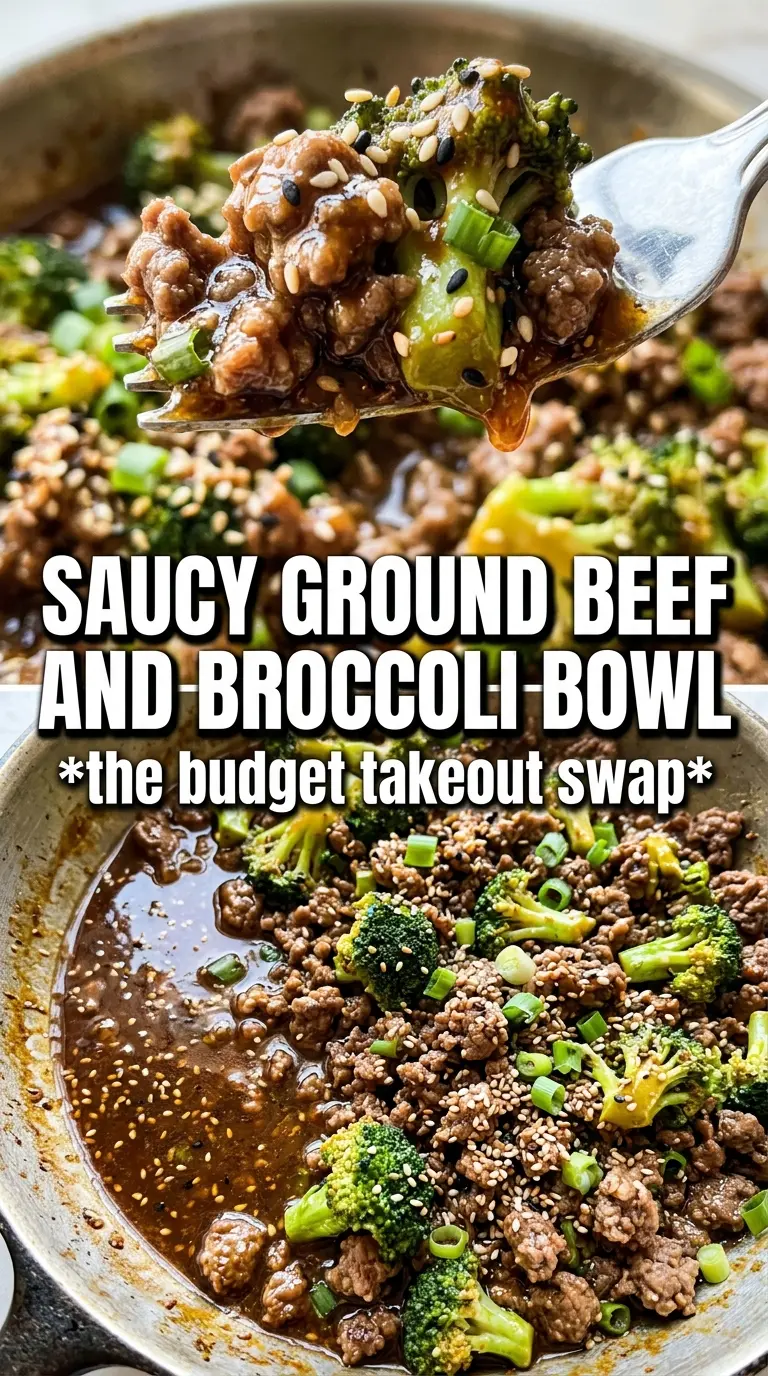
- Ground beef — This gives you the savory backbone of the dish and cooks fast enough for a weeknight. An 80/20 blend tastes richer, but lean beef works too if you drain off the excess fat after browning.
- Broccoli florets — Fresh broccoli is worth using here because frozen broccoli tends to shed too much water and soften too quickly. Keep the florets on the small side so they cook through in the brief finish at the end.
- Garlic and ginger — Fresh is the move. Garlic powder and ground ginger won’t give the same sharp, fragrant lift, and these two are what make the sauce taste like more than just soy sauce and sugar.
- Soy sauce, oyster sauce, brown sugar, sesame oil, beef broth — This is the balance point: salty, savory, a little sweet, and just rich enough to coat the beef. Oyster sauce gives the glaze its deeper body; if you skip it, the sauce tastes flatter and thinner.
- Cornstarch — This is what turns the sauce from thin and brothy into clingy and glossy. Stir it fully into the sauce before it hits the pan so it doesn’t clump at the bottom.
Building the Skillet in the Right Order
Mix the Sauce Before the Heat Goes On
Whisk the soy sauce, oyster sauce, brown sugar, sesame oil, cornstarch, and beef broth until the cornstarch disappears. If it sits in little white streaks, those streaks can turn into lumps when they hit the pan. Having the sauce ready before you start cooking keeps the beef from overcooking while you scramble for the measuring spoon.
Give the Broccoli Its Head Start
Steam or blanch the broccoli until it turns bright green and just barely tender when pierced. You want it to hold its shape, because it still has another minute or two in the skillet at the end. If you skip this step, the broccoli steals too much time from the beef and the sauce turns muddy while you wait for the florets to soften.
Brown the Beef Hard, Then Clear Some Fat
Heat the oil in a wok or large skillet until it shimmers, then add the beef and let it sit long enough to sear before breaking it apart. That first contact with the pan gives you little browned edges that taste like more than plain sautéed meat. If there’s a lot of grease left in the pan after browning, drain it off so the sauce can cling instead of floating on top.
Finish with Sauce, Then Broccoli
Add the garlic and ginger just long enough to smell them bloom, then pour in the sauce and stir until it thickens into a shiny glaze. Once it starts to coat the spoon, add the broccoli and toss until every floret is lacquered. If the sauce looks too thick, add a splash of broth; if it’s too loose, give it another minute before serving over rice.
How to Adjust This for What’s in Your Kitchen
Make it gluten-free
Use a gluten-free soy sauce or tamari and check that your oyster sauce is gluten-free too. The texture stays the same, but the salt level can shift a bit, so taste the sauce before it goes into the pan and adjust only if needed.
Swap in ground turkey or chicken
Both work well, but they need a little help because they’re leaner and less rich than beef. Keep the sesame oil and oyster sauce in place so the dish still tastes full, and don’t overcook the meat while browning or it’ll turn dry once the sauce thickens.
Use frozen broccoli in a pinch
Frozen broccoli works, but thaw and pat it dry first so the skillet doesn’t turn watery. It won’t stay as crisp as fresh florets, yet it still picks up the sauce well and gets dinner on the table fast.
Make it lower-carb
Serve it over cauliflower rice or shredded cabbage instead of white rice. The stir fry itself stays the same, but you’ll want to keep the sauce a touch thicker so it doesn’t disappear into the base.
Storage and Reheating
- Refrigerator: Store leftovers in an airtight container for up to 4 days. The broccoli softens a bit, but the sauce still holds up well.
- Freezer: It freezes, but the broccoli will lose some texture. Freeze in portions for up to 2 months if you don’t mind softer vegetables after thawing.
- Reheating: Reheat in a skillet over medium-low heat with a splash of broth or water. The common mistake is blasting it in the microwave until the beef gets rubbery and the sauce turns tacky.
Questions I Get Asked About This Recipe
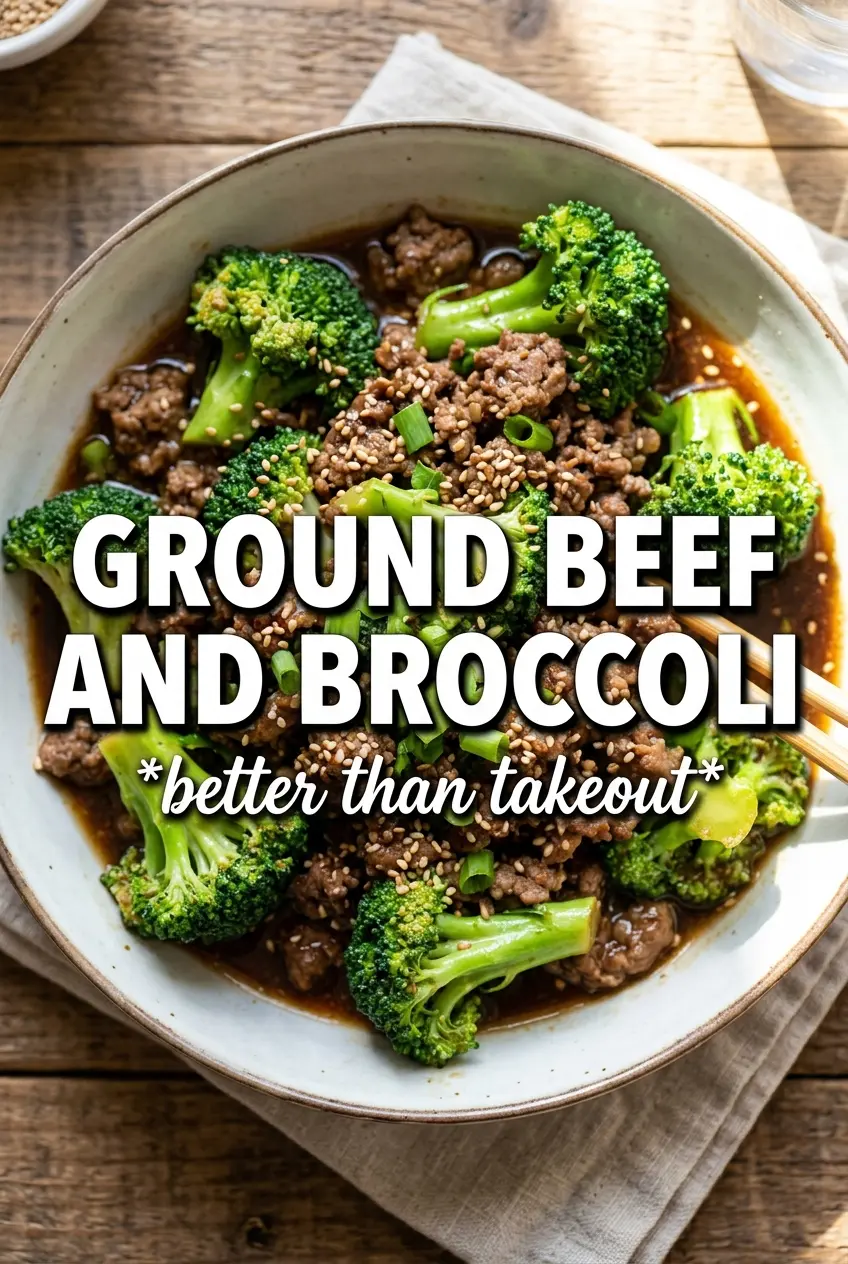
Ground Beef and Broccoli Stir Fry
Ingredients
Equipment
Method
- Whisk soy sauce, oyster sauce, brown sugar, sesame oil, cornstarch, and beef broth together until smooth, then set aside.
- Keep the sauce ready so it can be poured in quickly once the beef is browned and drained.
- Steam or blanch broccoli florets for 2–3 minutes until bright green and just tender, then set aside.
- Drain well so excess water doesn’t thin the sauce later in the pan.
- Heat vegetable oil in a wok or large skillet over high heat, then add ground beef and cook, breaking it apart, until browned.
- Drain excess fat from the pan so the sauce stays glossy instead of greasy.
- Add garlic and grated ginger and cook for 30 seconds until fragrant.
- Pour in the stir-fry sauce and stir to coat the beef, then simmer for 2 minutes until slightly thickened.
- Add broccoli florets and toss until evenly coated with the glossy sauce.
- Top with sesame seeds and green onions, then serve over steamed white rice.