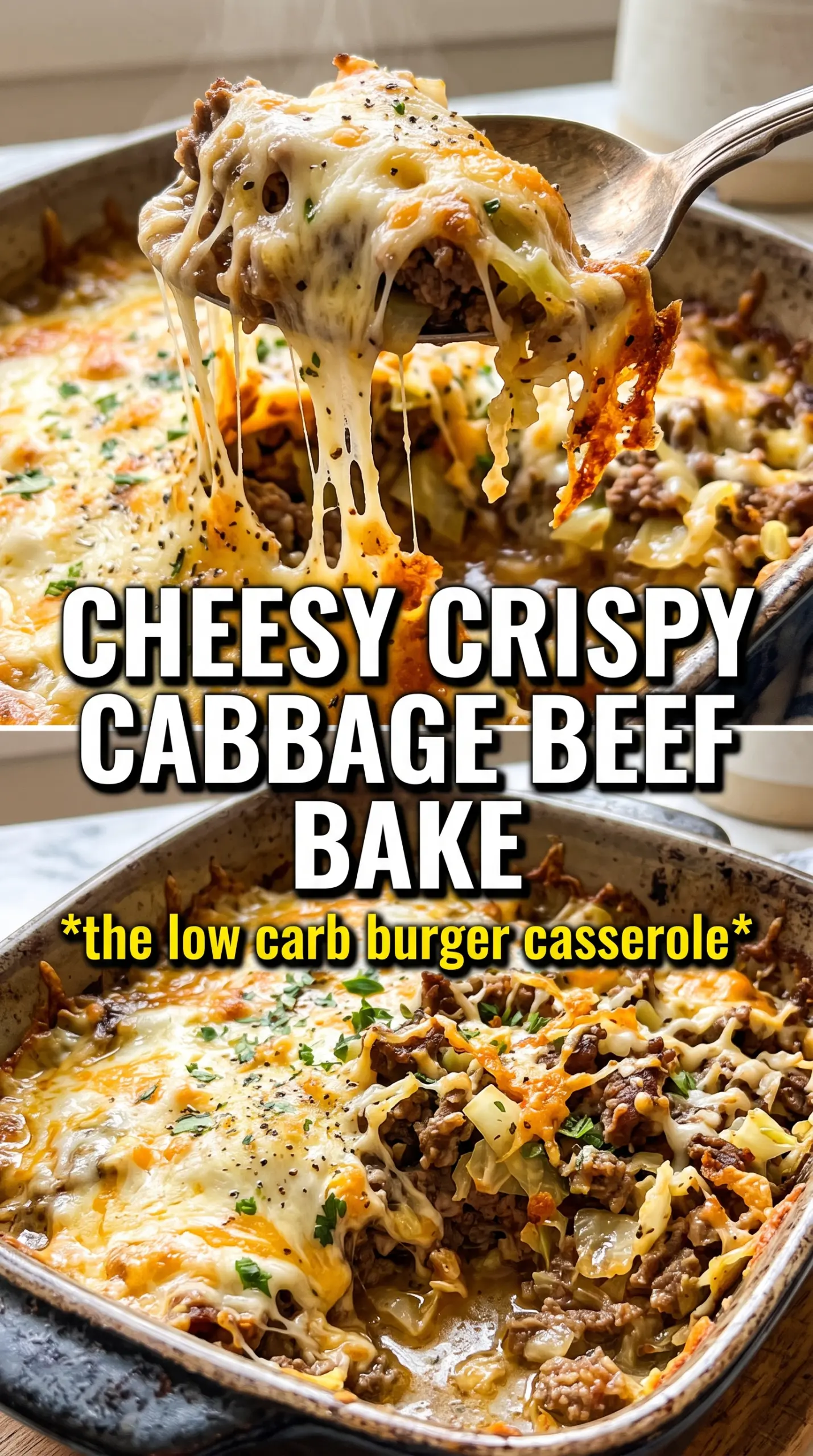
Cabbage turns soft and sweet under a blanket of seasoned beef and tomato sauce, then the cheese on top goes crisp at the edges and bubbly in the middle. That contrast is what keeps this bake on repeat: tender cabbage underneath, a savory tomato-beef layer through the center, and a browned top that gives each scoop a little crunch.
The trick is giving the cabbage enough time under foil to steam and collapse before the cheese goes on. If you bake it uncovered too soon, the cabbage stays firmer than you want and the sauce can dry out before the vegetables are tender. Browning the beef with onion first also builds the base flavor, so the casserole tastes cooked all the way through instead of just assembled.
Below you’ll find the small choices that matter here, including how to keep the cabbage from turning watery and what to do if you want a little more of that stuffed-cabbage comfort without the extra work.
The cabbage came out tender without getting mushy, and the cheese on top browned up nicely after the foil came off. I loved that the tomato sauce held everything together instead of making it watery.
Save this cabbage burger bake for a low-carb casserole that gives you juicy beef, tender cabbage, and a crisp cheesy top in one pan.
The Part Most Cabbage Bakes Get Wrong
What separates a good cabbage bake from a soggy one is whether the cabbage gets a head start before the cheese goes on. Cabbage gives off moisture as it heats, and if you try to brown the top too early, that steam has nowhere to go. The result is usually a watery casserole with limp cheese instead of a crisp finish.
This version solves that by covering the dish first, which lets the cabbage soften in the tomato sauce and beef juices. Once the vegetables are tender, the foil comes off and the cheese gets direct heat. That final uncovered bake is what gives you the browned top without overcooking the cabbage underneath.
- Covering the dish first traps steam so the cabbage turns tender instead of staying tough.
- Draining the beef keeps the sauce from turning greasy, especially since cabbage already releases moisture.
- Letting the casserole rest gives the sauce a minute to settle so it serves cleanly instead of running across the plate.
What Each Ingredient Is Actually Doing Here
- Ground beef brings the main savory flavor and enough fat to carry the tomato sauce. An 80/20 blend works best because it browns well and stays juicy, but leaner beef works if you’re careful not to overcook it before baking.
- Green cabbage is the backbone of the casserole. Rough-chopping it gives you tender pieces that still hold their shape; if you cut it too fine, it softens into the sauce and loses the texture that makes the dish satisfying.
- Diced tomatoes and tomato sauce create the saucy base. The diced tomatoes add texture while the sauce coats everything and keeps the bake from drying out. If you only have crushed tomatoes, use them, but expect a smoother, less chunky result.
- Cheddar or mozzarella changes the finish in a useful way. Cheddar gives you a sharper, more burger-like bite, while mozzarella melts into a softer, stretchier top. I prefer cheddar here because it browns a little better and stands up to the beef.
- Smoked paprika and Italian seasoning pull the whole dish toward warm, familiar comfort food territory without needing a long ingredient list. The paprika adds depth, not heat, and the Italian seasoning keeps the tomato sauce from tasting flat.
How to Build the Bake So the Cabbage Stays Tender and the Top Gets Crisp
Brown the Beef Until It Has Real Color
Cook the beef with the onion over medium-high heat until the meat is no longer pink and you see browned bits at the bottom of the pan. That color matters because it’s where the deeper flavor comes from. If there’s a lot of liquid in the skillet, keep cooking until it evaporates before you add the garlic and seasonings. Adding garlic too early can burn it, and burnt garlic will make the whole dish taste harsh.
Let the Tomato Mixture Simmer Briefly
Once the tomatoes and tomato sauce go in, let the mixture simmer for about five minutes. You’re not reducing it to a thick paste; you’re giving the flavors a chance to meld and the sauce a little body so it coats the cabbage instead of pooling at the bottom. If the sauce looks thin, don’t panic. The cabbage will release moisture as it bakes, and the covered bake will bring everything together.
Steam First, Then Brown the Cheese
Spread the cabbage in the dish, pour the beef mixture over it, and stir gently so the sauce reaches most of the cabbage. Covering with foil is the part that softens the cabbage without drying out the top. After 20 minutes, remove the foil, add the cheese, and bake until the top is bubbly and browned at the edges. If your cheese starts browning before the cabbage feels tender, the oven is running hot; tent the top loosely with foil for the last few minutes.
Make It More Cheesy and Burger-Like
Swap half the mozzarella for sharp cheddar, then sprinkle a little extra on top during the last five minutes. You’ll get a stronger burger-style flavor and a firmer, more browned crust. Mozzarella still helps the top melt smoothly, but cheddar is what gives this bake its punch.
How to Keep It Low Carb and Gluten-Free
As written, this dish is naturally low carb and gluten-free as long as your tomato sauce doesn’t include added sugar or thickeners. Check the label on the sauce if you’re cooking for someone sensitive to gluten. The texture stays the same either way, so this is an easy one to serve without adjustments.
Turn It Into a Heartier Cabbage Casserole
Add cooked rice or cauliflower rice if you want a fuller casserole-style meal. Rice makes the dish more like stuffed cabbage, while cauliflower rice keeps the low-carb feel but softens a little into the sauce. Stir it in with the cabbage so it picks up flavor instead of sitting on the bottom dry.
Storage and Reheating
- Refrigerator: Store leftovers in an airtight container for up to 4 days. The cabbage softens a bit more overnight, but the flavor gets even better.
- Freezer: This freezes well for up to 2 months. Cool it completely first, then freeze in portions so the cabbage doesn’t turn watery from repeated thawing.
- Reheating: Reheat covered in a 350°F oven until hot, or warm individual portions in the microwave. The common mistake is blasting it uncovered on high heat, which dries the cheese before the center is heated through.
Answers to the Questions Worth Asking
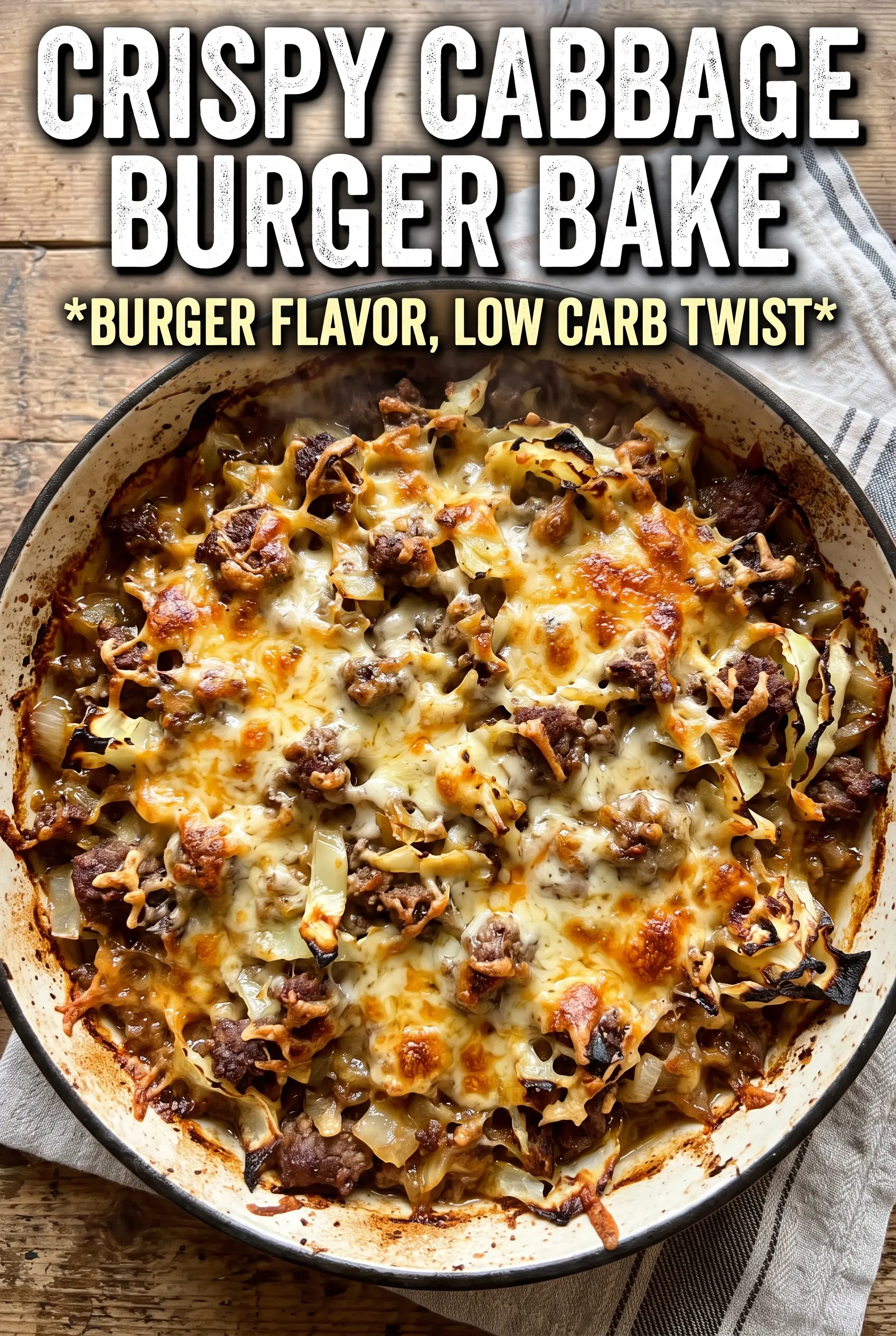
Easy Crispy Cabbage Burger Bake
Ingredients
Equipment
Method
- Preheat the oven to 375°F and grease a 9x13 baking dish.
- Brown the ground beef with the onion over medium-high heat, then drain excess fat.
- Add the minced garlic, Italian seasoning, smoked paprika, salt, and pepper, and cook for 30–60 seconds until fragrant, then stir to coat.
- Stir in the diced tomatoes and tomato sauce and simmer for 5 minutes, making sure the mixture is evenly blended.
- Spread the roughly chopped cabbage in the baking dish in an even layer.
- Pour the beef mixture over the cabbage and stir gently to combine, keeping the cabbage mostly covered by sauce.
- Cover with foil and bake for 20 minutes at 375°F, until the cabbage looks slightly softened.
- Uncover, top evenly with the shredded cheddar or mozzarella cheese, and bake 12–15 more minutes at 375°F until the cheese is golden and bubbly.
- Let the casserole rest 5 minutes before serving so the cheesy top sets slightly.