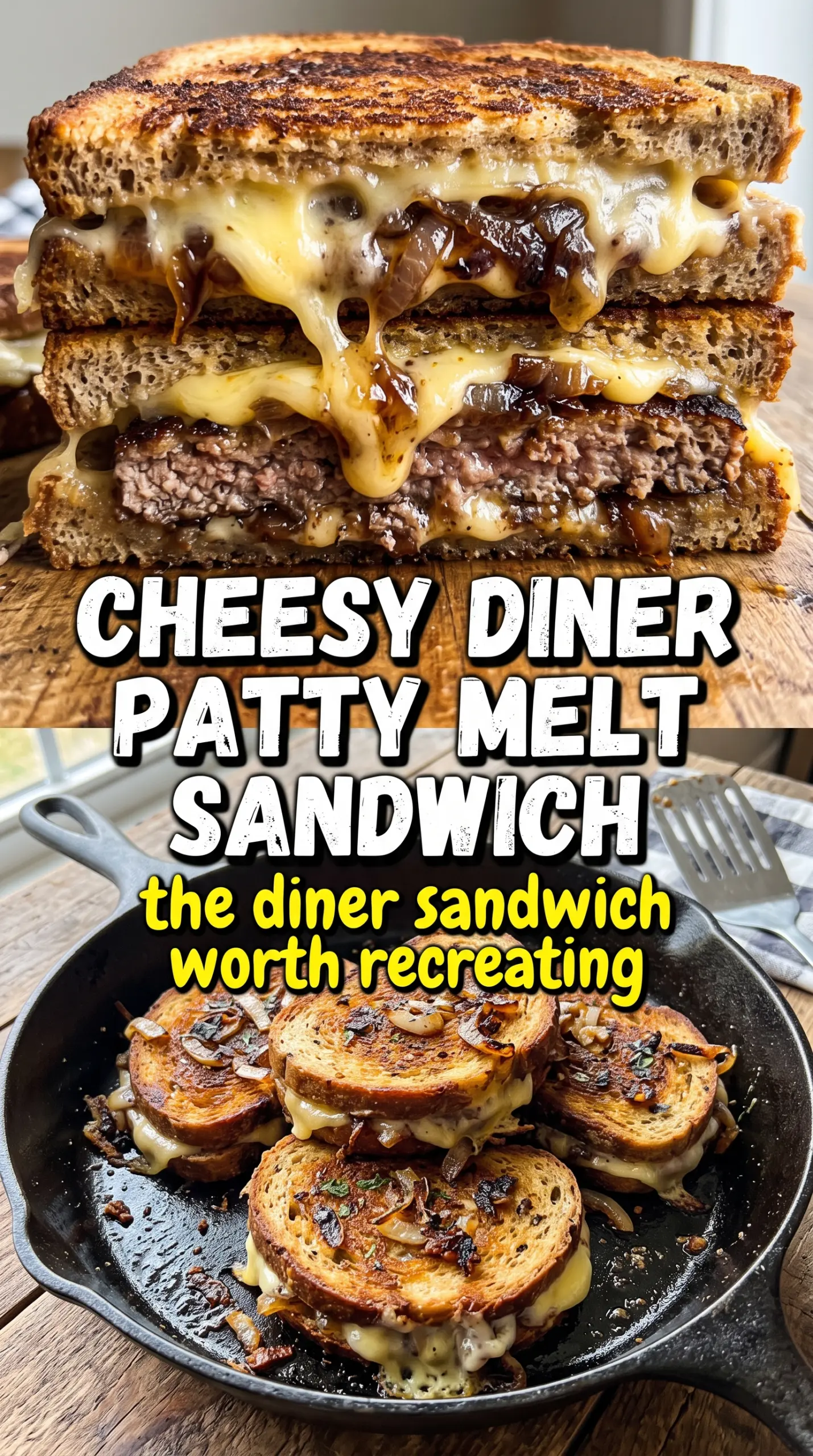
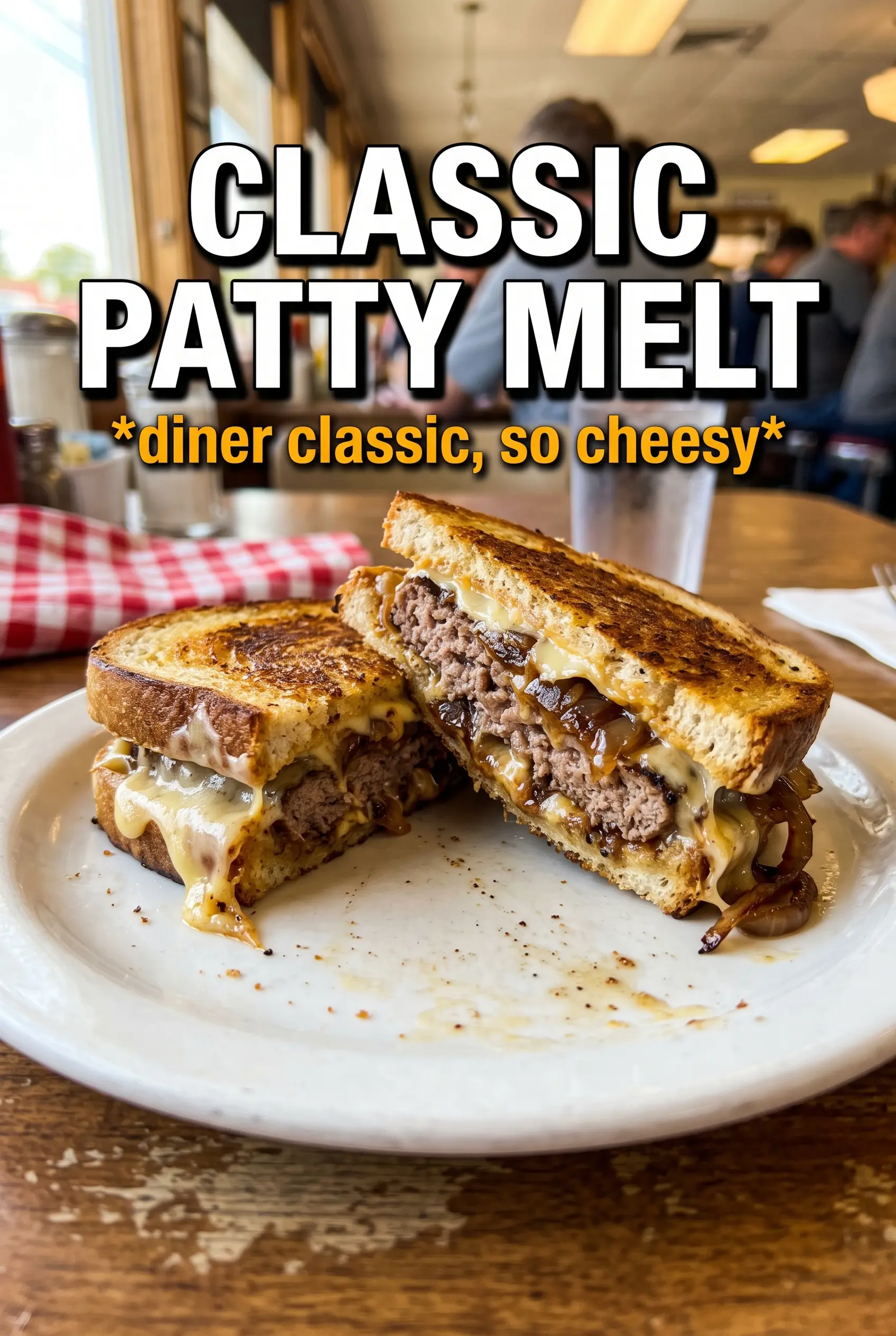
Golden rye bread, a juicy beef patty, sweet caramelized onions, and melted Swiss cheese make a patty melt worth slowing down for. The best ones have that diner-style balance: crisp, buttered bread on the outside and a molten, savory center that stays together when you cut into it. It’s the kind of sandwich that eats like a burger but feels a little more special because every layer has a job to do.
This version works because the onions are cooked until they turn deep and jammy before the sandwich ever hits the skillet. That sweetness cuts through the beef and cheese, while the thin, oval patties match the shape of the bread so the filling reaches the edges instead of disappearing in the middle. Rye bread matters here too. It has enough structure and flavor to stand up to the filling without turning soggy or bland.
Below, I’ll show you how to get that deep onion flavor without rushing it, plus the little details that keep the bread crisp while the cheese melts all the way through.
The onions took the full 25 minutes, but that was the part that made it taste like a real diner patty melt. The bread got crisp, the cheese melted through, and nothing slid out when I cut it.
Like this classic patty melt? Save it to Pinterest for the nights when you want caramelized onions, Swiss cheese, and crisp rye bread in one skillet sandwich.
The Onion Time Is What Gives This Sandwich Its Diner Flavor
A patty melt falls flat when the onions are still sharp or the bread is browned before the cheese has a chance to melt. The trick is giving the onions enough time to turn sweet and soft first, then using the same skillet for the patties so all that flavor stays in the pan. That’s where the sandwich gets its signature taste.
Thin patties matter here. A thick burger patty can overwhelm the bread and leave you with a sandwich that’s awkward to eat and hard to melt evenly. Flattening the beef into oval patties means the meat fills the rye bread from edge to edge, which keeps every bite balanced.
- Caramelized onions — These carry the sweetness in the sandwich. Don’t rush them over high heat or they’ll brown on the outside before they soften through.
- Rye bread — Rye has the sturdy, slightly tangy flavor this sandwich needs. Marble rye works too, and it gives you the same structure with a milder taste.
- Swiss cheese — Swiss melts cleanly and brings that classic nutty flavor. American cheese melts even smoother if you want a more gooey finish.
- Worcestershire sauce — This deepens the beef without making it taste like sauce. It’s one of those small additions you notice most when it’s missing.
Building the Melt So the Bread Stays Crisp and the Center Stays Gooey
- Ground beef — An 80/20 blend gives you enough fat for a juicy patty and enough browning in the skillet. Leaner beef can work, but it cooks up drier and less forgiving.
- Butter — Butter gives the bread that deep, toasted finish. Use it on the outside of the sandwich, not in the skillet alone, so the bread browns evenly instead of soaking up grease.
- Thousand Island dressing — Optional, but it adds a tangy, creamy layer that plays well with the onions. Keep it light or the sandwich starts to slide.
How to Cook Each Layer in the Right Order
Caramelizing the Onions First
Melt part of the butter with the olive oil over medium-low heat, then add the sliced onions with a pinch of salt. Stir often and let them slowly collapse into a deep golden brown, which usually takes 20 to 25 minutes. If they start to scorch before they soften, the heat is too high. Take your time here; pale onions taste sharp, but deeply cooked onions taste sweet and round.
Shaping the Beef to Match the Bread
Mix the beef with salt, pepper, and Worcestershire, then divide it into four thin oval patties. Press them just a little wider than the bread, because they shrink as they cook. If the patties are too thick, the sandwich gets bulky and the center won’t heat through evenly before the bread is done.
Searing the Patties in the Onion Pan
Cook the patties in the same skillet over medium-high heat until browned and cooked through, about 3 to 4 minutes per side. You want a browned crust, not a gray steamed surface, so don’t crowd the pan. Those browned bits left behind in the skillet will help the finished sandwich taste like it came from a diner grill.
Grilling the Sandwich Until It Presses Cleanly
Butter one side of each bread slice, then build the sandwich with cheese on the bottom, patty, onions, more cheese, and the top slice of bread. Grill over medium heat and press gently until the bread is golden and the cheese is melted, about 2 to 3 minutes per side. If the bread browns too quickly, the heat is too high and the cheese won’t have time to catch up.
How to Adapt a Patty Melt Without Losing the Point of It
Swap in American Cheese for a More Gooey Melt
American cheese gives you a softer, more dramatic melt than Swiss. You lose a little of the nutty flavor, but you gain a silkier center that holds together well in the sandwich.
Make It Gluten-Free with Hearty Sandwich Bread
Use a sturdy gluten-free bread with enough structure to handle the filling. Softer loaves can work if you toast them a little first, but thin or delicate bread tends to fall apart once the cheese melts.
Go Lighter by Using Leaner Beef
You can use lean ground beef, but the patties won’t be as juicy and the sandwich will need a little extra attention in the skillet. Keep the patties thin and don’t overcook them or they’ll dry out before the cheese fully melts.
Storage and Reheating
- Refrigerator: Store cooked patty melts wrapped tightly for up to 3 days. The bread softens a bit, but the flavor stays good.
- Freezer: Freeze the cooked patties and onions separately for best results. Assembled sandwiches don’t freeze well because the bread turns soggy after thawing.
- Reheating: Reheat in a skillet over medium-low heat with a lid for a few minutes, then uncover to crisp the bread. The biggest mistake is blasting it in the microwave, which makes the bread rubbery and the cheese split.
Answers to the Questions Worth Asking
Classic Patty Melt
Ingredients
Equipment
Method
- Melt 1.5 tablespoons butter with olive oil in a skillet over medium-low heat, then add onions with a pinch of salt and stir often. Cook for 20–25 minutes until deeply caramelized, then set aside.
- Season the ground beef with salt, black pepper, and Worcestershire sauce, then form into 4 thin oval patties sized to match the bread. Keep patties even to ensure quick, uniform cooking.
- Cook the patties in the same skillet over medium-high heat for 3–4 minutes per side until cooked through, then set aside.
- Butter one side of each bread slice. This helps the rye toast into a golden crust.
- Build each sandwich with the unbuttered side down, then layer Swiss cheese, patty, caramelized onions, and more cheese, finishing with unbuttered bread on top. If using, add Thousand Island dressing to the inside layers before closing.
- Grill sandwiches on medium heat for 2–3 minutes per side, pressing gently, until the bread is golden and the cheese is fully melted. Flip once for even browning and gooey melt.