Apple slices bar cookies deliver the kind of flaky, buttery bite that keeps people sneaking back to the pan long after the first piece is gone. The bottom crust stays tender, the apple layer bakes into a cinnamon-spiced filling, and the top turns lightly crisp before the glaze finishes everything with a sweet stripe. Cut into neat rectangles, they eat like a handheld pie bar without the fuss of slicing and serving a full pie.
What makes this version work is the layered structure. The cold butter gets cut into the flour just enough to leave little pockets that bake into flakes, and the crushed cornflakes under the apples do the quiet but important job of protecting the crust from juice. That extra step keeps the base from turning pasty, which is the main reason bar-style fruit pastries can disappoint.
Below, I’ve included the little details that matter most: how to keep the dough tender, why the apple layer needs cornstarch, and what changes when you swap in a different fruit or need to plan ahead.
The crust baked up flaky instead of soggy, and the apple layer set enough to cut clean squares after cooling. The cornflake layer sounded odd, but it kept the bottom crisp right through the second day.
Love the flaky crust and cinnamon apples in these Apple Slices? Save them to Pinterest for the days when you want a tidy bar dessert with pie-like layers.
The Cornflake Layer That Keeps Apple Slices Crisp
The biggest failure in apple bar cookies is a damp bottom crust. Apples give off a lot of juice as they bake, and if that liquid goes straight into the dough, the base softens before it has time to set. The crushed cornflakes act like a thin barrier and soak up some of that moisture before it reaches the pastry.
The other key is the cornstarch in the filling. It turns the apple juices into a light, glossy filling instead of a runny puddle. If your apples are especially juicy, peel and slice them right before mixing so they don’t sit around and leak extra liquid while the dough is waiting.
What Each Part Is Doing in These Apple Slices
- Cold unsalted butter — This is what gives the pastry its flaky layers. Keep it cold all the way through mixing, and cut it in until you still see small pieces instead of a smooth paste. Those little bits of butter melt in the oven and create the texture you want.
- Egg yolk and milk — The yolk adds tenderness and richness, while the milk brings the dough together without making it too wet. Add just enough liquid for the dough to hold when pressed; if it turns sticky, the crust will bake up tough instead of tender.
- Apples — Use a firm baking apple if you can. Softer varieties collapse too much and lose their shape, while firmer apples hold clean slices and give the bars a better bite.
- Cornflakes — Don’t skip them. They’re the reason the bottom crust stays crisp under the fruit. If you don’t have cornflakes, use fine dry breadcrumbs in a pinch, but expect a little less crunch and a slightly less protective layer.
- Cornstarch — This thickens the juices as the bars bake. Flour won’t give the same clear, set filling, and you’ll end up with a cloudier, heavier layer.
Building the Layers So the Bars Bake Cleanly
Mixing the Pastry Without Overworking It
Cut the cold butter into the flour mixture until it looks sandy with a few pea-sized pieces left behind. That uneven texture is the whole point. Once you add the egg yolk-milk mixture, stop as soon as the dough comes together. If you knead it like bread dough, the crust turns dense and loses the flake that makes these bars worth making.
Pressing in the Base and Adding the Barrier
Pat one half of the dough evenly into the prepared pan, getting all the way into the corners so the bars slice neatly later. Sprinkle the crushed cornflakes in an even layer over the dough before the apples go on. Thin spots in this layer can still let juice through, so cover the whole surface.
Layering the Apples and Top Crust
Toss the apple slices with the sugar, cinnamon, nutmeg, and cornstarch until every piece looks lightly coated. Spread them evenly so the bars bake at the same rate from edge to edge. Roll out the top crust, lay it over the apples, and press the edges closed. If the top tears a little, patch it with scraps; tiny holes are fine, but big gaps let the filling bubble out.
Baking Until the Center Sets
Bake until the top is golden and the filling is actively bubbling in spots. That bubbling tells you the cornstarch has had enough heat to thicken the juices. Pulling the pan too early is the mistake that leads to loose filling. Let the bars cool completely before glazing and cutting, or the layers will slide apart and the glaze will melt into the surface.
How to Adapt These Bars for Different Pans, Diets, or Fruit
Gluten-Free Version
Use a 1:1 gluten-free all-purpose flour blend for the pastry and check that your cornflakes are certified gluten-free. The texture will still be tender, though the crust may be a little more delicate when you lift out the slices.
Pear Slices Instead of Apple
Firm pears work well here, but they soften faster than apples, so keep the slices on the thicker side and watch the bake closely. The flavor is lighter and more floral, and the filling sets a little more softly.
Less Sweet, More Tart
Cut the sugar in the filling back slightly if your apples are already sweet, but don’t reduce it too far. The sugar does more than sweeten; it helps draw out the juices so the cornstarch can thicken them properly.
Storage and Reheating
- Refrigerator: Store covered for up to 4 days. The crust stays best on day one and two, but the bars still hold up well after chilling.
- Freezer: These freeze well. Cut into bars, wrap tightly, and freeze in a single layer before moving them to a container. Thaw in the refrigerator so the glaze doesn’t sweat off.
- Reheating: Serve at room temperature for the best texture. If you want them warm, use a low oven for a few minutes. The common mistake is microwaving too long, which softens the pastry and makes the filling loose.
Answers to the Questions Worth Asking
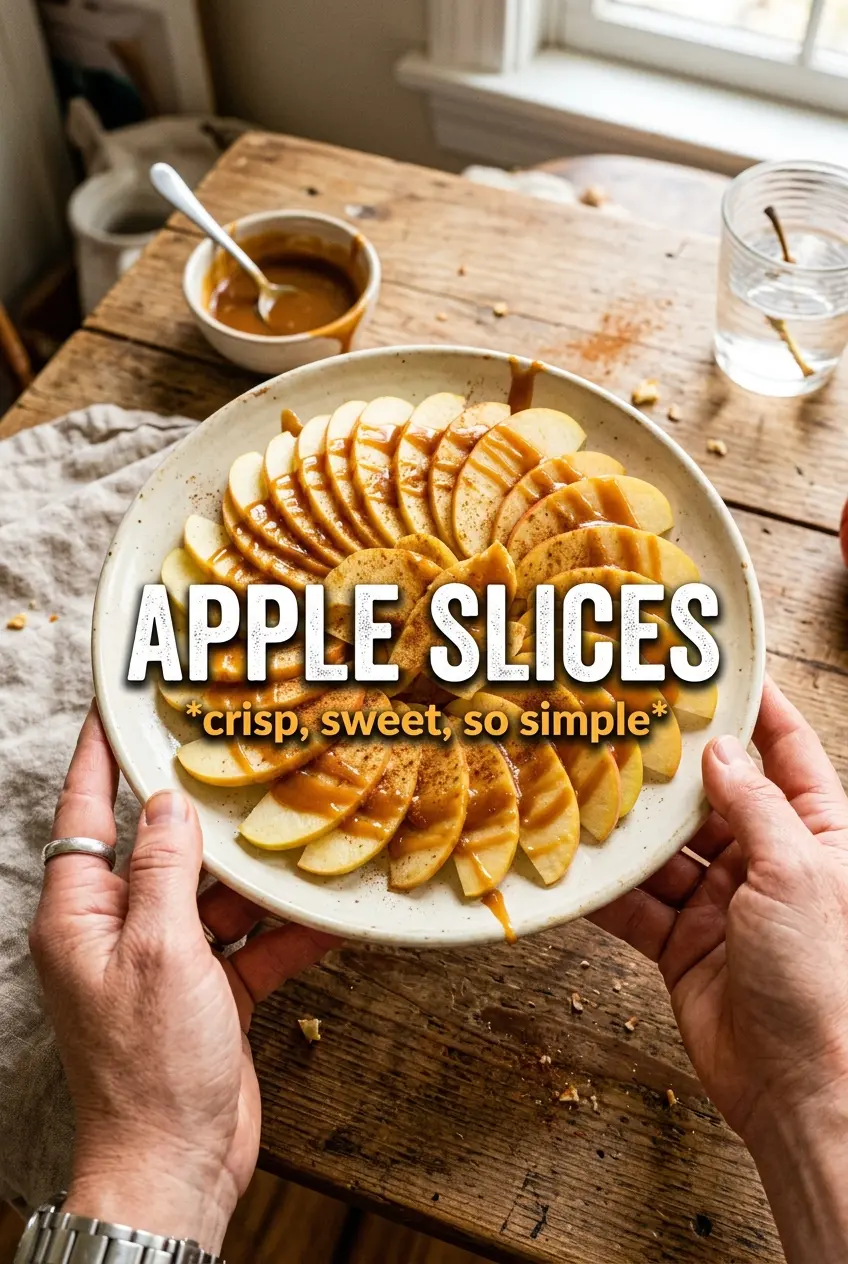
Apple Slices
Ingredients
Equipment
Method
- Preheat the oven to 375°F and grease a 15x10 rimmed baking sheet so the bars release easily after baking.
- Mix all-purpose flour, salt, and sugar, then cut in the cold cubed unsalted butter until the mixture turns crumbly.
- Add the egg yolk and enough milk to make 2/3 cup, then mix until the dough just comes together.
- Divide the dough in half and press one half into the bottom of the prepared baking sheet in an even layer.
- Spread crushed cornflakes over the bottom dough layer to help prevent a soggy bottom.
- Toss the thinly sliced apples with granulated sugar, cinnamon, nutmeg, and cornstarch until evenly coated.
- Spread the spiced apple mixture over the cornflakes in a single even layer.
- Roll the remaining dough and lay it over the apples, then press the edges to seal.
- Bake at 375°F for 30-35 minutes until the top is golden.
- Cool completely before glazing so the filling sets and the bars cut cleanly.
- Whisk powdered sugar with 3 tablespoons milk until smooth, then drizzle the glaze over the cooled bars in stripes.
- Cut into neat rectangles after glazing for tidy, bar-cookie portions.