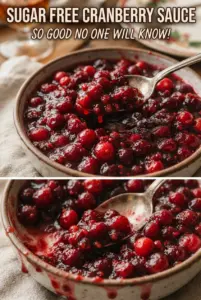
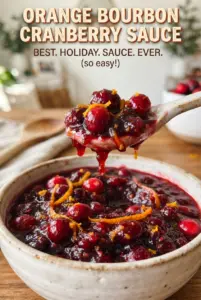
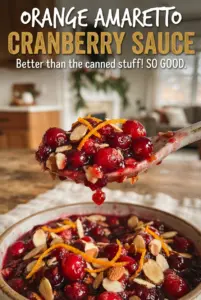
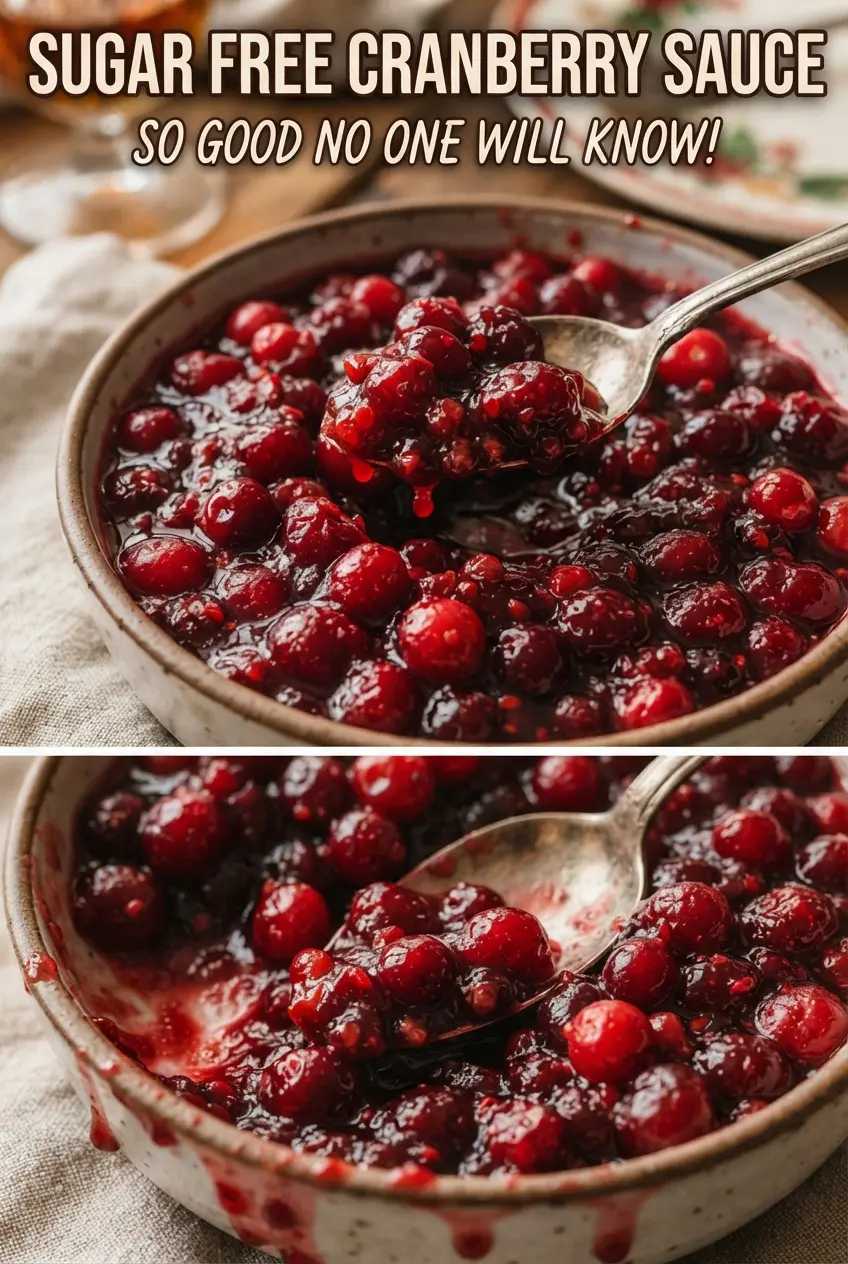
Glossy cranberry sauce with whole berries still bursting in the spoon is the kind of side dish that quietly steals the plate. This sugar free version keeps the bright, tart cranberry backbone intact, with just enough sweetness to round it out and a little orange zest to lift everything at the end. It sets up as it cools, so you get that classic spoonable texture without the syrupy heaviness that can make store-bought versions feel flat.
The trick here is starting with the sweetener fully dissolved in water before the cranberries go in. That gives the sauce a clean finish and keeps the texture smooth instead of gritty. I also like adding the orange zest after the pan comes off the heat, because the fresh citrus stays vivid instead of tasting cooked down. Cinnamon is optional in some cranberry sauces, but here it adds just enough warmth to bridge the tart berries and the cool sweetness.
Below, I’ve included the small timing details that matter most, plus a few ways to adjust the sweetness depending on the brand of monk fruit or allulose you use. If you’ve ever ended up with cranberry sauce that was too thin, too sharp, or oddly crystallized, this version fixes those problems without making the process complicated.
I always thought cranberry sauce needed tons of sugar to taste right, but this thickened beautifully and the orange zest made it taste fresh instead of candy-sweet. It was perfect after chilling for an hour.
Save this sugar free cranberry sauce for a bright, make-ahead side that sets up glossy and tart with orange zest.
The part that keeps cranberry sauce glossy instead of grainy
The biggest mistake with sugar free cranberry sauce is rushing the sweetener step. Granular monk fruit and allulose need a little time in the hot water to dissolve before the berries go in, or you can end up with a sandy texture and a sauce that tastes unevenly sweet. Once the cranberries hit the pan, the real job is gentle simmering. A hard boil can split the berries too aggressively and make the sauce foam instead of thicken.
What you’re looking for is a pot where the berries pop, the liquid turns ruby red, and the sauce starts to cling to the spoon. It will still look a little loose in the pan. That’s normal. Cranberry sauce tightens a lot as it cools, so stopping at the point where it coats the back of a spoon keeps it from turning into a stiff paste once chilled.
What each ingredient is doing in this cranberry sauce
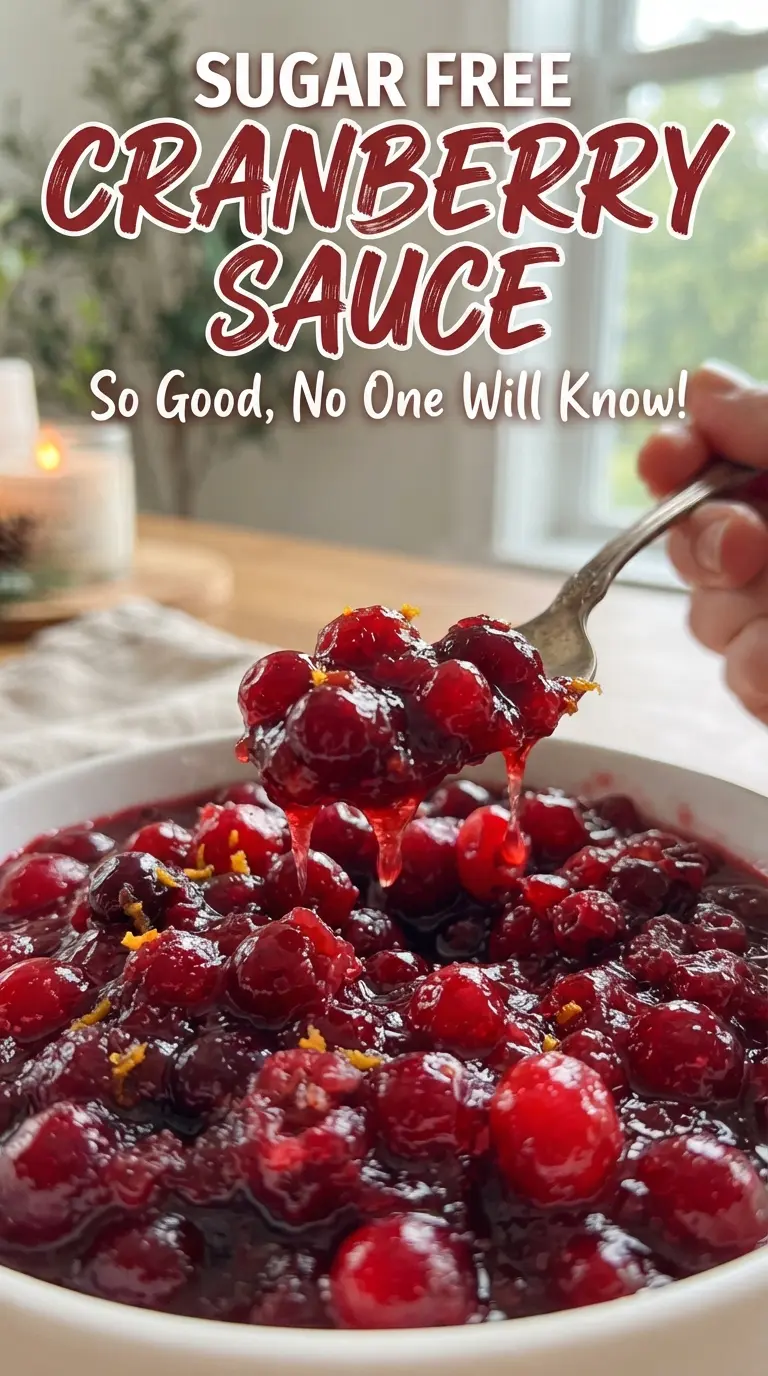
- Fresh cranberries — These are the structure of the sauce. Frozen cranberries also work without thawing, but they may need a minute or two longer to break down. The berries should be firm and deep red; soft or shriveled cranberries can make the sauce taste dull.
- Monk fruit or allulose sweetener — This replaces the sugar without leaving the sauce heavy. Allulose gives the smoothest, most sugar-like texture, while monk fruit blends can vary by brand, so taste at the end and adjust if needed. If your sweetener measures differently than sugar, follow the package notes closely.
- Orange zest — Zest adds the bright top note that makes cranberry sauce taste finished. Add it off the heat so the oils stay fresh and fragrant. Orange juice can be used in a pinch, but it adds liquid and softens the clean cranberry flavor.
- Cinnamon — This gives the sauce warmth without pushing it into pie filling territory. Use just enough to round out the tart berries. More than half a teaspoon starts to dominate the cranberries, so keep it restrained.
- Water — It dissolves the sweetener and gives the cranberries enough liquid to burst evenly. Don’t cut it back too far or the sauce can scorch before the berries release their juices.
How to cook the cranberries so the sauce thickens on its own
Dissolve the sweetener first
Bring the water and sweetener to a boil and stir until the granules disappear. The liquid should look clear, not cloudy or gritty, before anything else goes in. If you skip this part, the sauce can end up with little crunchy bits that never fully melt. This is especially important with monk fruit blends, since some brands dissolve better than others.
Let the berries burst gently
Add the cranberries, cinnamon, and salt, then lower the heat to a steady simmer. You should hear an occasional pop as the berries split and release their juice. Stir every minute or so so the bottom doesn’t catch, but don’t mash them aggressively unless you want a smoother sauce. The sauce is done cooking when most of the berries have burst and the liquid looks slightly syrupy.
Finish with zest and cool for the set
Take the pan off the heat before stirring in the orange zest. The residual heat is enough to wake up the citrus without dulling it. Taste right away and add a little more sweetener only if the sauce still feels too sharp, keeping in mind that chilling mutes sweetness a bit. Let it cool completely, then refrigerate it so it thickens into that classic spoonable cranberry sauce texture.
How to adapt this for a different sweetener or a brighter finish
Use allulose for the smoothest texture
Allulose gives the most sugar-like finish and helps the sauce stay glossy after chilling. It also softens the tart edge a little more than some monk fruit blends, so it’s the best choice if you want the closest match to classic cranberry sauce without sugar.
Make it keto-friendly with monk fruit
A granular monk fruit blend keeps this low carb, but brands vary a lot in sweetness. Start with the listed amount, then taste after cooking and adjust in small pinches. The tradeoff is that some blends don’t give quite the same roundness as allulose, so the orange zest matters even more.
Swap the cinnamon for warm spice
If you want a deeper holiday-style note, replace the cinnamon with a pinch of ground cloves or allspice. Keep the amount small, because both spices take over fast. The result is warmer and more aromatic, but less fresh and bright than the original.
Storage and Reheating
- Refrigerator: Store in an airtight container for up to 7 days. It will thicken as it chills, then loosen slightly after sitting at room temperature.
- Freezer: It freezes well for up to 2 months. Freeze in a flat, airtight container and thaw overnight in the fridge before serving.
- Reheating: Cranberry sauce is usually best served cold or at room temperature. If you want it warm, heat it gently on low just until loosened. High heat can make it separate and lose that glossy finish.
Answers to the questions worth asking
Sugar Free Cranberry Sauce
Ingredients
Equipment
Method
- Bring the water and granular monk fruit or allulose sweetener to a boil in a saucepan, stirring continuously until completely dissolved, about 2-3 minutes. Visual cue: the surface should look actively bubbling with no undissolved grains.
- Add the fresh cranberries, ground cinnamon, and salt, and stir to combine. Visual cue: cranberries should start bobbing as the mixture returns to a gentle boil.
- Simmer for 10-12 minutes, stirring occasionally, until the berries burst and the sauce thickens. Visual cue: the mixture should look darker and more syrupy, coating the back of a spoon.
- Remove the saucepan from the heat and stir in the orange zest. Taste the sauce and add more granular monk fruit or allulose sweetener if needed for your preferred level of sweetness. Visual cue: zest flecks should streak through the red sauce.
- Cool to room temperature, then chill before serving. Visual cue: the sauce will thicken further as it cools.