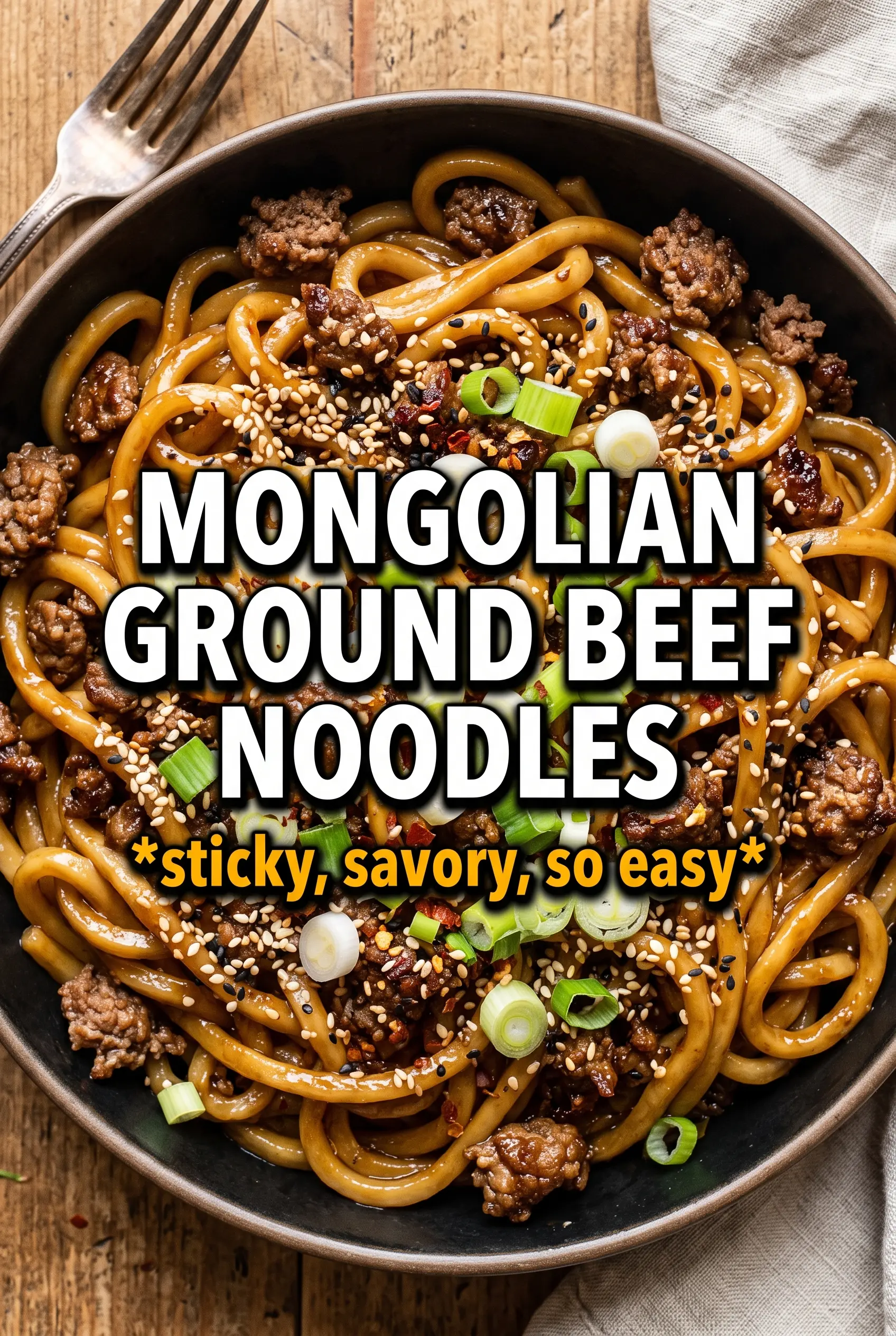
Glossy noodles coated in a sticky soy-garlic sauce and tangled with browned beef disappear fast because they hit that sweet spot between takeout comfort and pantry practicality. The sauce clings to every strand instead of pooling at the bottom of the pan, and the little hit of ginger and red pepper keeps the sweetness from flattening out.
What makes this version work is the order of operations. The beef gets browned first so it brings a savory base, then the garlic and ginger bloom just long enough to smell sharp and warm without scorching. The sauce thickens with cornstarch before the noodles go in, which means you get that lacquered, glossy finish instead of a thin soy broth sitting underneath everything.
Below, I’ve included the small things that matter here: which noodles hold up best, how to keep the sauce from turning gluey, and a few variations for when you want to make it milder, richer, or more weeknight-friendly.
The sauce thickened up perfectly and coated every noodle instead of pooling in the skillet. I used ramen noodles, and the whole pan was gone before I had a chance to put leftovers away.
Like this Mongolian Ground Beef Noodles recipe? Save it for the nights when you want glossy noodles, sticky beef, and one skillet doing all the work.
The Trick Is in the Sauce Consistency Before the Noodles Go In
Most noodle skillet dinners go wrong because the sauce is either too thin to cling or too thick before the noodles are added. This version avoids both problems by letting the broth, soy sauce, brown sugar, hoisin, and cornstarch simmer just long enough to turn glossy and slightly thickened before the noodles hit the pan. If you add the noodles too early, they soak up the liquid and leave you with dry spots. If you let the sauce reduce too far, it turns sticky in the wrong way and won’t spread through the pan evenly.
The other thing that matters is heat. After the sauce goes in, you want a steady simmer, not a hard boil. A boiling sauce can break the balance between sweet and salty, and it can make the garlic taste sharp instead of round. Once the noodles are in, the sauce should coat them in a thin sheen and gather in little shiny pockets between the strands.
What Each Ingredient Is Actually Doing in This Dish
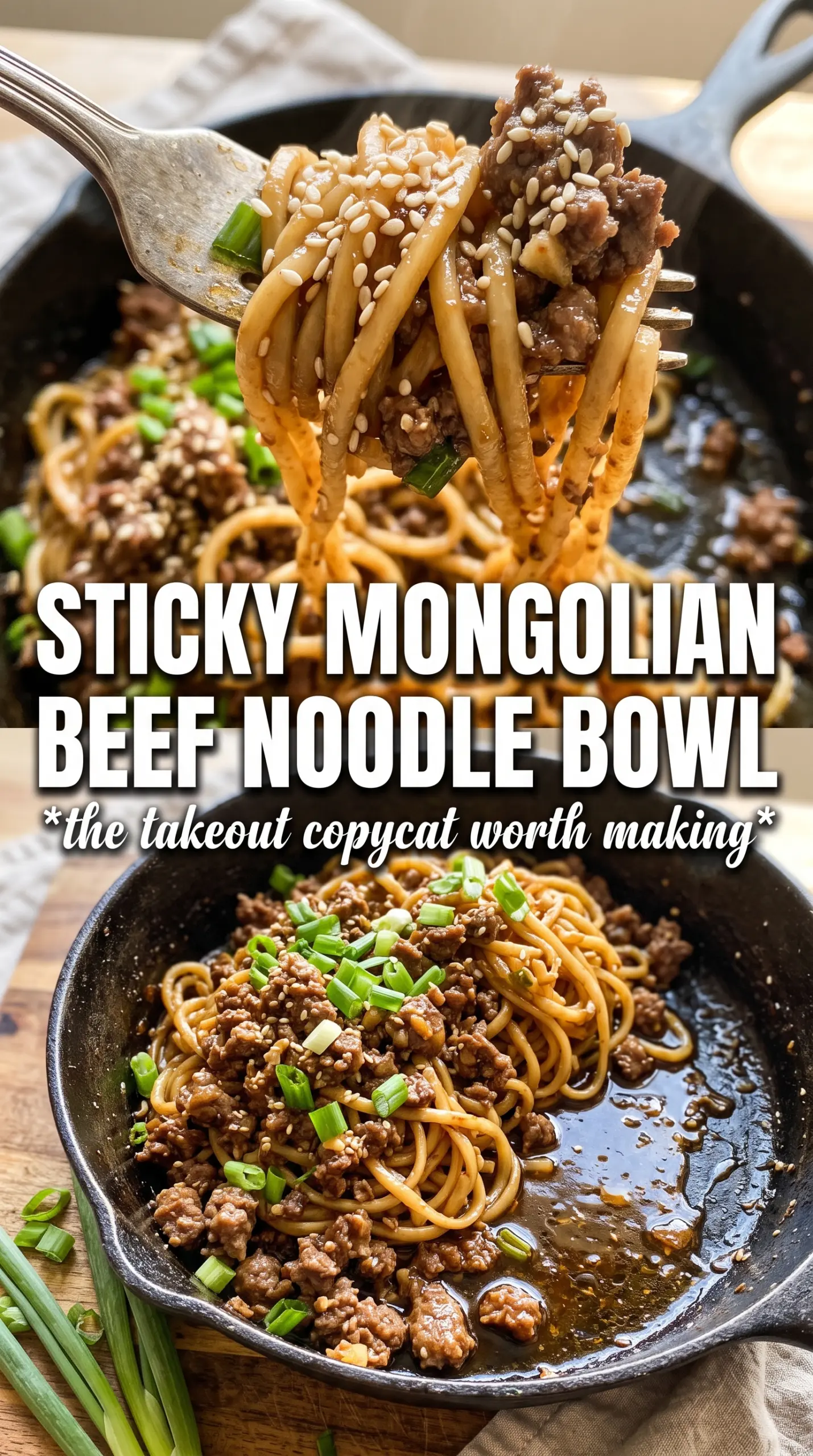
- Ground beef — This gives the dish its savory backbone and helps the sauce feel hearty enough to stand in as a full meal. Use 85/15 if you can; leaner beef works, but you may need a little more oil and the final dish won’t taste as rich.
- Noodles — Linguine, lo mein, or ramen all work because they pick up sauce well and don’t collapse under the beef. Ramen cooks fastest, while lo mein gives you the most classic stir-fry texture.
- Garlic and ginger — These are not background aromatics here. They’re the bright edge that keeps the sweet-salty sauce from tasting flat, and fresh ginger matters more than a substitute because it brings a cleaner bite.
- Soy sauce, hoisin, and brown sugar — This trio builds the Mongolian-style glaze: salty, sweet, and deeply savory. If you need a lower-sugar version, cut the brown sugar a little, but don’t remove it completely or the sauce loses its sticky finish.
- Sesame oil — Use it for aroma, not for frying. A small amount at the end gives the dish that toasted, nutty note you’d miss if you swapped in another neutral oil.
- Cornstarch — This is what turns the sauce from thin and brothy into a coating. Whisk it with the liquid before it hits the pan so it disperses evenly; dumping it straight in can leave you with clumps.
Building the Glossy Finish Without Overcooking the Noodles
Browning the Beef First
Heat the vegetable oil in a large skillet and break the ground beef into small pieces as it cooks. You want real browning here, not just gray meat, because those caramelized bits deepen the whole dish. If the pan looks crowded and the beef starts steaming, it won’t brown well, so keep the layer as even as you can. Drain off excess fat if needed, but leave a little behind for flavor.
Waking Up the Garlic and Ginger
Add the garlic and ginger after the beef is cooked and stir for about a minute, just until they smell fragrant. They should sizzle, not darken. If they go too far, the garlic turns bitter and the ginger loses its fresh snap. This is a fast stage, so have the sauce mixture ready before you start it.
Thickening the Sauce
Whisk the soy sauce, brown sugar, hoisin, sesame oil, red pepper flakes, beef broth, and cornstarch until smooth, then pour it into the skillet. Stir and let it simmer for 2 to 3 minutes until it looks glossy and lightly thickened. It should coat the back of a spoon and leave a trail for a second when you drag a spatula through it. If it still looks thin, give it another minute; if it turns paste-like, the heat was too high.
Tossing in the Noodles
Add the cooked noodles and toss until every strand is coated in sauce. Use tongs if you have them; they help lift the noodles through the beef instead of mashing everything together. The noodles should look slick and evenly brown, not soupy. If the pan looks dry before the noodles are fully coated, splash in a tablespoon or two of water or broth and toss again.
How to Adjust It for a Different Table
Make It Gluten-Free
Use gluten-free noodles and swap the soy sauce for tamari or a certified gluten-free soy sauce. Check the hoisin too, since some brands include wheat. The flavor stays close, but the noodles may soften a little faster, so toss and serve as soon as they’re coated.
Dial Down the Heat Without Losing the Bite
Leave out the red pepper flakes and add a little extra ginger if you want the sauce warm instead of hot. You’ll still get a little depth from the garlic and sesame oil, but the finish will be gentler. This is the version I’d make for anyone who wants the takeout-style flavor without the burn.
Swap the Beef for Ground Turkey
Ground turkey works, but it needs a little help because it’s leaner and less rich than beef. Keep the oil in the pan and don’t skimp on the hoisin or sesame oil, since those carry most of the body the turkey lacks. The final dish will taste lighter and a little cleaner, which is a plus if that’s what you’re after.
Storage and Reheating
- Refrigerator: Store leftovers in an airtight container for up to 4 days. The noodles will absorb more sauce as they sit, so expect a softer texture the next day.
- Freezer: It freezes okay, but the noodles can get a little soft after thawing. For best results, freeze the beef and sauce separately from freshly cooked noodles.
- Reheating: Reheat in a skillet over medium-low with a splash of water or broth until the sauce loosens again. The mistake to avoid is blasting it in a dry pan or the microwave until the noodles tighten up and clump.