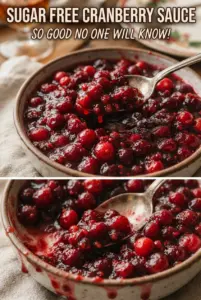
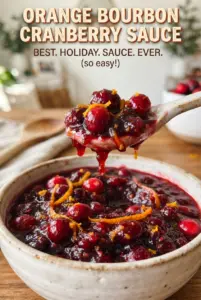
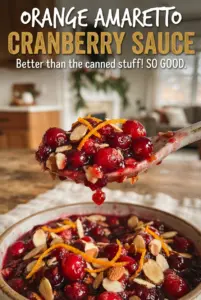
Thick, glossy cranberry sauce with a clean tart-sweet finish earns its place on the table fast. The berries burst just enough to turn the pot into a ruby-red compote, and when it cools, it settles into that spoonable, jammy texture that holds its shape without turning stiff. It tastes bright instead of cloying, which is exactly what you want next to rich mains and buttery sides.
The trick is keeping the sugar-water mixture at a real boil long enough to fully dissolve the sugar before the cranberries go in. That gives you a smooth base instead of a gritty one. Once the berries are added, a steady simmer does the rest: the skins split, the pectin works, and the sauce thickens naturally as it cools. Don’t judge the final texture in the pan while it’s hot. It always looks looser than it will after chilling.
Below, you’ll find the timing cue that tells you when to pull it off the heat, plus a few smart ways to adapt it if you want it less sweet, more citrusy, or made ahead for a busy meal.
The sauce thickened up exactly right after chilling, and the cranberries kept their shape instead of turning into mush. I liked that it wasn’t too sweet, so it worked next to everything on the plate.
Save this jammy 3 ingredient cranberry sauce for the side dish that sets up beautifully as it cools.
The Part That Makes Cranberry Sauce Set Instead of Stay Runny
Cranberry sauce thickens in two stages. First, the sugar dissolves into the water and gives you a clean syrup. Then the berries burst and release natural pectin, which is what helps the sauce turn glossy and spoonable after it cools. If you stop cooking too early, you’ll end up with tart cranberry soup that never tightens up.
The other thing that trips people up is heat. A hard boil at the beginning is right, but the simmer needs to stay gentle once the berries are in the pot. Too much agitation can break the berries down before the sauce has a chance to thicken properly, and you lose that nice mix of whole skins and soft fruit.
- Boil first, then add the cranberries — dissolving the sugar completely gives the sauce a smooth start and keeps the finished texture from feeling sandy.
- Simmer, don’t slam it — a steady simmer is enough to burst the berries without cooking the sauce down into a sticky paste.
- Trust the chill time — the mixture looks looser in the pan than it will on the plate. Cooling is part of the set.
What Each Ingredient Is Actually Doing in This Sauce
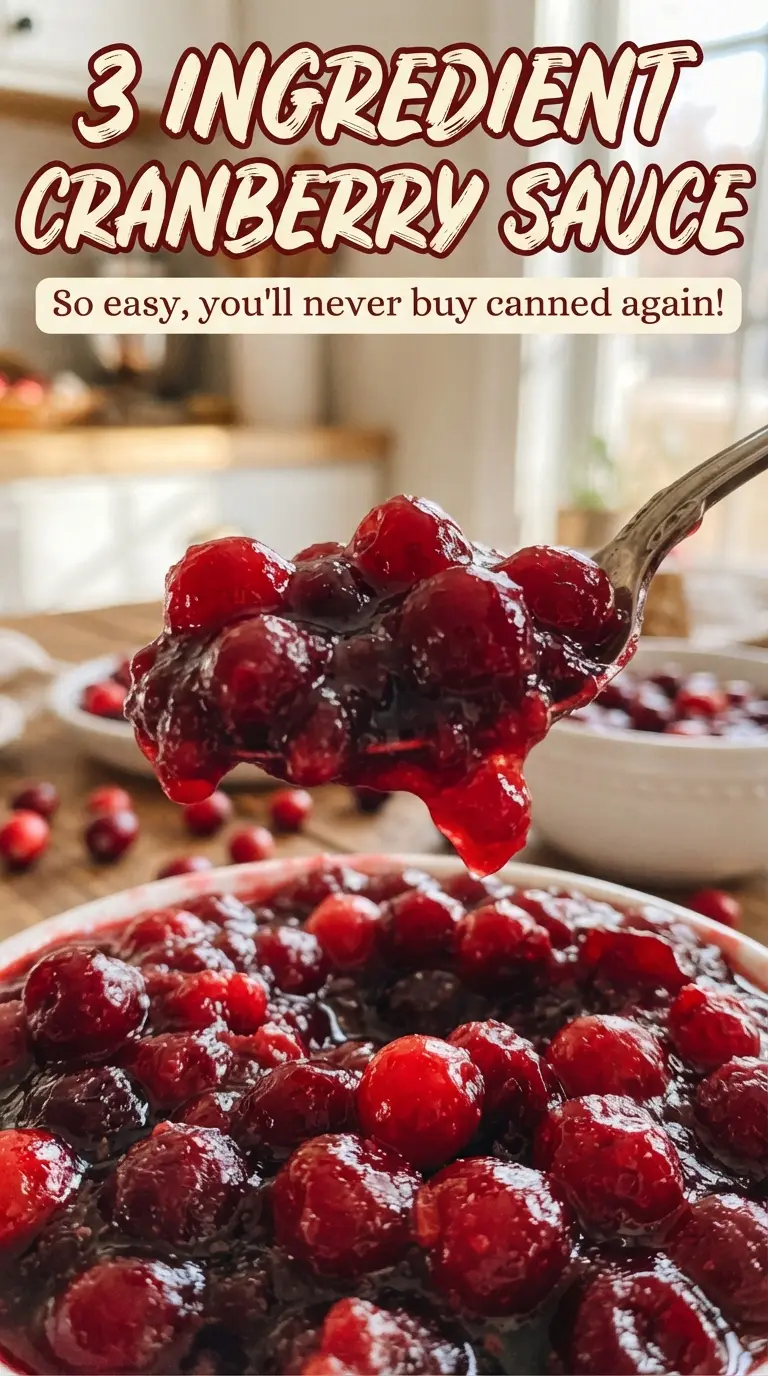
- Fresh cranberries — these are the whole reason the sauce thickens without any added pectin. Fresh berries give you the best pop and the brightest flavor. If you use frozen cranberries, don’t thaw them first; they can go straight into the pot and still cook down well.
- Granulated sugar — sugar balances the sharp tartness and helps the berries break down into a glossy sauce. This isn’t the place for brown sugar if you want the clean, classic cranberry flavor; brown sugar brings molasses notes that turn the sauce darker and heavier.
- Water — the water creates the syrupy base that carries the berries while they cook. You need enough liquid for the sugar to dissolve and the cranberries to move freely in the pot, but not so much that the sauce takes forever to reduce.
Cooking the Berries Until the Sauce Turns Glossy
Building the Sugar Syrup
Bring the water and sugar to a full boil in a saucepan, stirring just until the sugar disappears. The liquid should look clear, not cloudy with undissolved crystals. If you add the cranberries too soon, the sauce can taste grainy and the sugar won’t fully integrate before the berries start softening.
Letting the Cranberries Burst
Add the cranberries and bring the pot back to a boil, then lower the heat to a steady simmer. Stir occasionally and listen for the berries to start popping. You want a mix of whole berries and broken ones; if you stir hard or cook them at too high a boil, they can break down too fast and lose that jammy texture.
Cooling for the Final Set
Cook for about 10 minutes, until most of the berries have burst and the sauce looks slightly thicker but still loose. Pull it from the heat and let it cool completely before chilling. That’s when the sauce firms up, and if you taste it hot and think it looks thin, that’s normal — cranberry sauce always finishes its set in the fridge.
How to Adjust This Cranberry Sauce Without Losing the Jammy Texture
Citrus Cranberry Sauce
Add a strip of orange zest or a splash of orange juice with the water for a brighter, more layered flavor. Orange juice adds sweetness and a little body, while zest gives you aroma without loosening the sauce too much. If you add juice, keep it small so the sauce still sets properly.
Less-Sweet Cranberry Sauce
Cut the sugar back by a few tablespoons if you like a sharper finish. The sauce will taste brighter, but it may set a touch less firmly because sugar helps with body, so don’t overdo the reduction. A small adjustment keeps the cranberries front and center without turning the sauce aggressively tart.
Dairy-Free, Naturally
This recipe is already dairy-free and gluten-free, which makes it an easy side dish for mixed tables. Keep an eye on serving pairings if you’re cooking for dietary needs, but the sauce itself needs no changes. That’s part of why it’s such a dependable make-ahead dish.
Storage and Reheating
- Refrigerator: Store in an airtight container for up to 1 week. It thickens as it chills and may loosen a little when stirred.
- Freezer: It freezes well for up to 2 months. Thaw overnight in the refrigerator and stir well before serving.
- Reheating: Serve it cold, at room temperature, or gently warmed over low heat. Don’t boil it again or it can thin out and lose that fresh, glossy finish.
Answers to the Questions Worth Asking
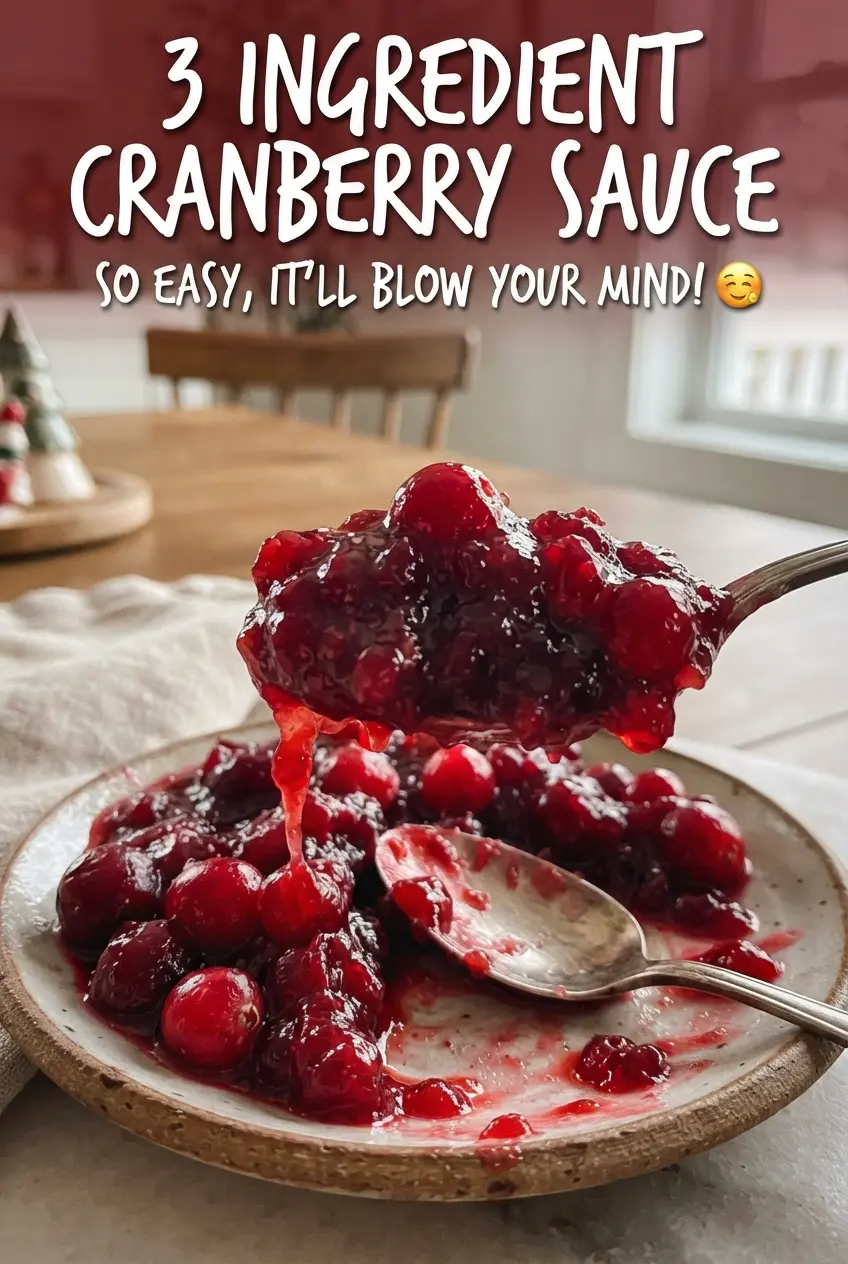
3 Ingredient Cranberry Sauce
Ingredients
Equipment
Method
- In a saucepan, combine granulated sugar and water and bring to a boil, stirring until the sugar dissolves (about 1–2 minutes). Look for a clear syrup with steady bubbling across the surface.
- Add fresh cranberries and return the mixture to a boil over medium-high heat. Visual cue: the liquid boils again with cranberries bobbing freely.
- Reduce heat to maintain a gentle simmer and cook for 10 minutes, stirring occasionally, until the berries burst. Visual cue: many berries split and the sauce turns glossy and slightly thick.
- Remove the saucepan from the heat and cool completely. Visual cue: the sauce thickens as it cools and looks more like a spoonable gel.
- Chill until serving so the sauce sets. Visual cue: when spooned, it holds its shape and appears ruby-red and jammy.