Silky red lentils, bright lemon, and a warm turmeric broth make this soup the kind of meal that settles in fast and keeps showing up in my kitchen. It cooks down into a smooth, spoon-coating bowl with just enough richness from olive oil and enough freshness from lemon to keep every bite lively. The crispy shallots on top aren’t garnish for the sake of garnish; they give the soup the crunch and savory edge that make the whole bowl feel finished.
What makes this version work is the order. The spices bloom in the oil before any liquid goes in, which deepens their flavor and takes away that raw, dusty edge turmeric and cumin can have if they’re rushed. Red lentils break down on their own, so you don’t need cream or flour to get body, and the lemon goes in at the end to keep the soup tasting bright instead of flat.
Below, I’ll walk you through the small details that matter most: how to get the lentils fully soft without letting the soup turn dull, how to finish with enough acid and salt to wake everything up, and how to make the shallot topping without burning it.
The lentils broke down into the smoothest texture, and the lemon at the end kept it from tasting heavy. I added extra crispy shallots on top and my husband asked if I could make it again the next day.
Save this golden lemon lentil soup for the nights when you want something silky, bright, and deeply comforting.
The Step That Makes Lentil Soup Taste Slow-Cooked
Most lentil soups taste flat because the spices go straight into the broth and never get a chance to open up. Here, the cumin, turmeric, coriander, paprika, and cayenne hit warm olive oil first, which wakes up their aroma and gives the soup a deeper color and rounder flavor. That short minute or two matters more than any extra seasoning at the end.
The other thing that changes everything is the texture of the lentils themselves. Red lentils break down quickly, but they still need time at a steady simmer to lose their grainy center and turn creamy. If the soup looks thin at first, keep cooking before you reach for more liquid; the lentils are still doing the work.
What Each Ingredient Is Actually Doing In This Bowl

- Red lentils — These are what give the soup its body. Brown or green lentils won’t melt down the same way, so the soup will stay more brothy and less silky.
- Turmeric, cumin, coriander, paprika, and cayenne — This spice mix builds warmth without making the soup heavy. Turmeric brings the golden color, cumin and coriander give the earthy base, paprika adds depth, and cayenne keeps it from tasting sleepy.
- Lemon juice and zest — The zest gives you the fragrant lemon oil, while the juice sharpens the soup at the end. Add both after the heat is lowered so the lemon stays bright instead of tasting muted.
- Shallots — Fried until deep golden and crisp, they add crunch and a savory-sweet finish that softens into the soup beautifully. If you skip them, the soup still works, but you lose the contrast that makes each spoonful more interesting.
- Vegetable broth — This carries the seasoning through the pot. A good broth matters here because the soup has only a few ingredients, so a thin or bland broth will show.
Building the Soup So It Turns Silky, Not Grainy
Softening the Onion and Carrots First
Cook the onion and carrots in olive oil until the onion looks translucent and the carrots begin to soften at the edges. This is the base of the soup, so don’t rush it into the next step while they’re still raw and crunchy. If the vegetables go in too soon, the finished soup can taste sharp instead of rounded.
Blooming the Spices in the Oil
Add the garlic and spices and stir them for about 2 minutes, just until the pan smells deeply fragrant. The garlic should lose its raw bite, but it shouldn’t brown; browned garlic can turn bitter fast. If the pan looks dry, lower the heat rather than adding broth early, because the spices need direct contact with the oil to open up.
Cooking the Lentils Until They Collapse
Pour in the rinsed lentils and broth, bring everything to a boil, then drop the heat to a gentle simmer. You’re waiting for the lentils to completely soften and start falling apart, which usually takes 25 to 30 minutes. If the pot is boiling hard, the lentils can break unevenly and the broth can reduce too fast before the inside of the lentils is tender.
Finishing With Lemon and the Crispy Shallots
Blend the soup until smooth, then stir in the lemon juice and zest after the heat is lowered. That keeps the citrus bright and prevents the soup from tasting dull or cooked-down. Fry the shallots separately until golden and crisp, and drain them well; if they stay greasy, they’ll sink instead of sitting on top in that perfect crunchy pile.
How To Adapt This Soup Without Losing What Makes It Work
Make it dairy-free and naturally vegan
The soup already fits this lane as written, so the only thing to watch is the topping oil. Use olive oil for the shallots and keep the garnish simple with parsley, lemon, and another drizzle of good olive oil. You’ll still get a rich finish without adding anything heavy.
Make it thicker and more stew-like
Use a full 1 1/2 cups of lentils and let the soup simmer a few extra minutes before blending. If you want a spoon-standing texture, start with 5 1/2 cups broth instead of 6, then add more only if it needs loosening after blending. The result is less brothy and more substantial.
Skip the fried shallots when you’re short on time
The soup still tastes complete without them, especially if you finish with extra parsley, a little lemon zest, and a thin drizzle of olive oil. What you lose is the crisp, savory contrast on top, so the bowl will be softer and a little less layered. That said, it’s still a strong weeknight shortcut.
Make it gluten-free for everyone at the table
The soup itself is naturally gluten-free if your broth is certified gluten-free. That’s the only place people usually get tripped up, since some vegetable broths use additives that contain gluten. Check the label and you’re set.
Storage and Reheating
- Refrigerator: Store for up to 4 days. It thickens as it sits, and the lemon flavor stays bright.
- Freezer: Freezes well for up to 3 months. Cool completely first and leave a little space in the container because the soup will expand.
- Reheating: Warm it gently on the stove over low to medium-low heat, adding a splash of broth or water if it has tightened up. Don’t boil it hard after it’s been blended, or the texture can go from silky to slightly dull.
Questions I Get Asked About This Recipe
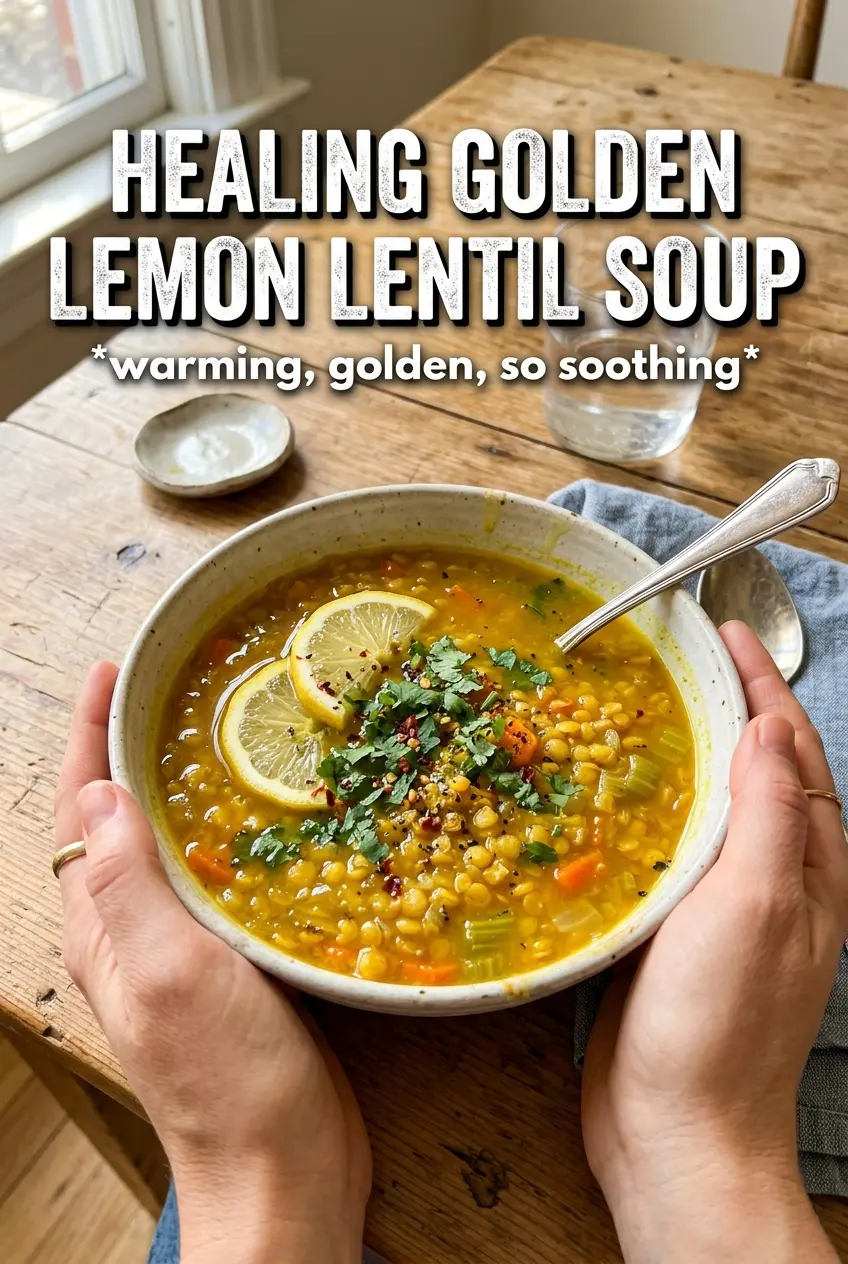
Healing Golden Lemon Lentil Soup
Ingredients
Equipment
Method
- Heat 2 tbsp olive oil in a large pot over medium heat, then sauté diced onion and carrots for 5 minutes until softened and lightly glossy.
- Add minced garlic and the cumin, turmeric, coriander, smoked paprika, and cayenne, and cook for 2 minutes at medium heat until very fragrant, stirring constantly.
- Stir in rinsed red lentils and vegetable broth, then bring the mixture to a boil.
- Reduce heat to maintain a gentle simmer and cook 25-30 minutes until the lentils have completely dissolved.
- Blend the soup with an immersion blender until smooth and silky, ensuring no lentil bits remain.
- Stir in fresh lemon juice and lemon zest, then season with salt and pepper to taste while the soup is still hot.
- Fry thinly sliced shallots in olive oil until crispy and golden, watching closely so they don’t brown too quickly.
- Serve the soup topped with crispy shallots and fresh parsley, with a drizzle of olive oil right before eating.