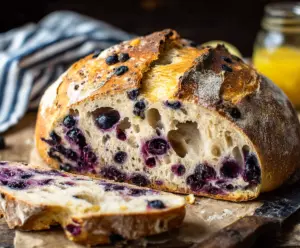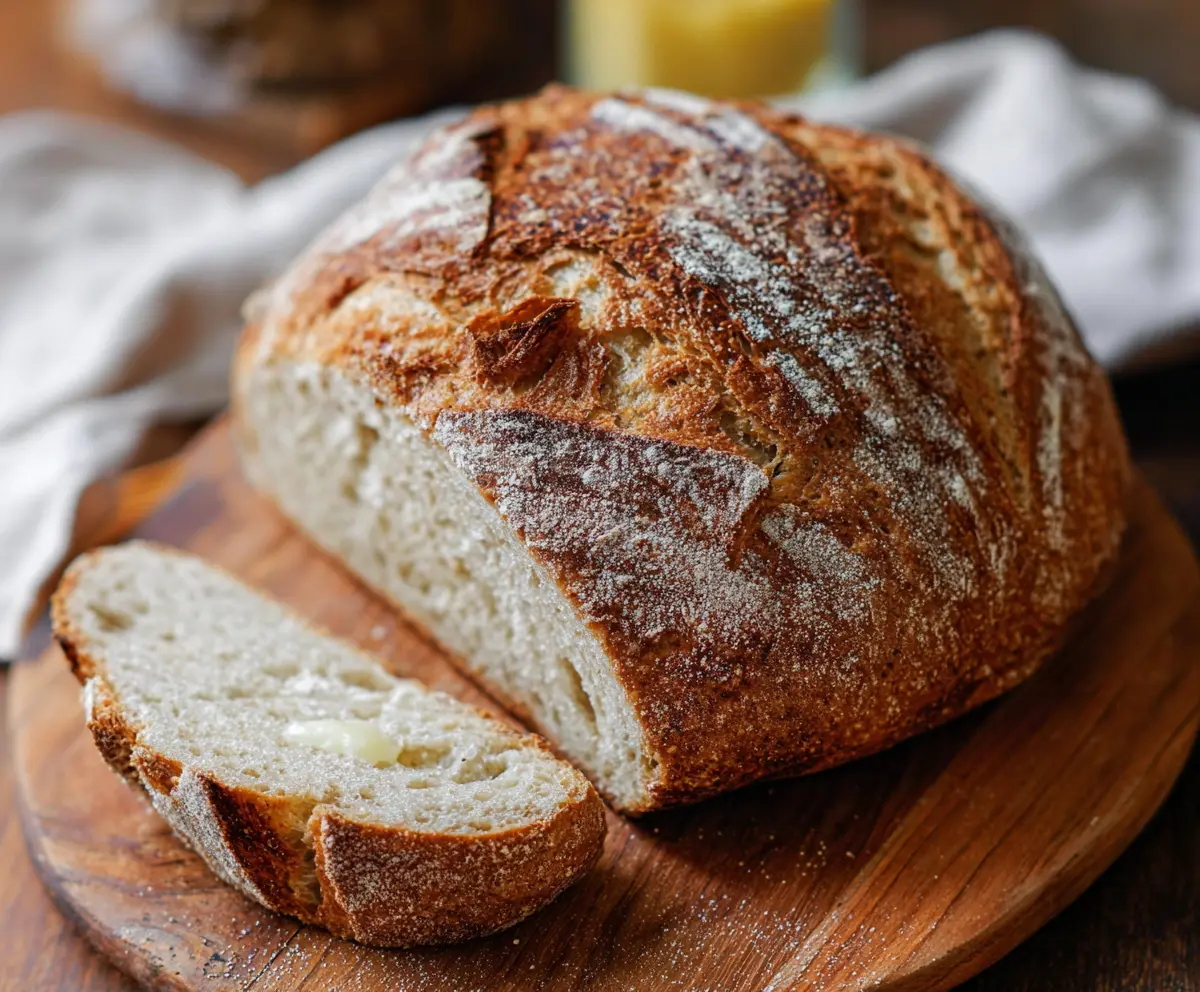
This artisan sourdough bread is crusty on the outside and soft on the inside, making every bite a delight! It’s perfect for sandwiches or just enjoyed with butter.
Baking this bread at home feels like magic! The best part? It smells amazing while it’s baking, and I can hardly wait to slice into it. Yum!
I love how simple ingredients transform into such a delicious loaf. Plus, the longer fermentation gives it that lovely tangy flavor that I just can’t resist!
Key Ingredients & Substitutions
Bread Flour: This gives the bread its chewy texture. If you need a substitute, you can use all-purpose flour, but the bread won’t be quite as crusty. I usually stick with bread flour for the best results.
Sourdough Starter: A bubbly, active starter is crucial for good fermentation. You can use a store-bought sourdough starter if you’re not up for making your own. If you’re gluten-free, look for a gluten-free sourdough starter, but you’ll need to adjust other ingredients too.
Sea Salt: This enhances flavor and controls fermentation. You can substitute with kosher salt or table salt, but reduce the amount slightly as table salt is denser. I find sea salt gives the best taste.
What’s the Best Way to Shape and Proof My Dough?
Shaping the dough and proofing it correctly are key to your bread’s final structure. After the bulk fermentation, handle the dough gently to retain some air. Here’s how to do it:
- Turn the dough onto a floured surface and gently stretch into a rectangle.
- Fold the dough into thirds, like a letter. Then, gently shape it into a round boules or oval.
- Place it in a well-floured banneton with the seam side up. This helps the dough hold its shape.
- For the final proof, make sure it doubles in size but isn’t over-proofed. The ‘poke test’ is great for this!
With practice, you’ll feel when it’s just right. Happy baking!
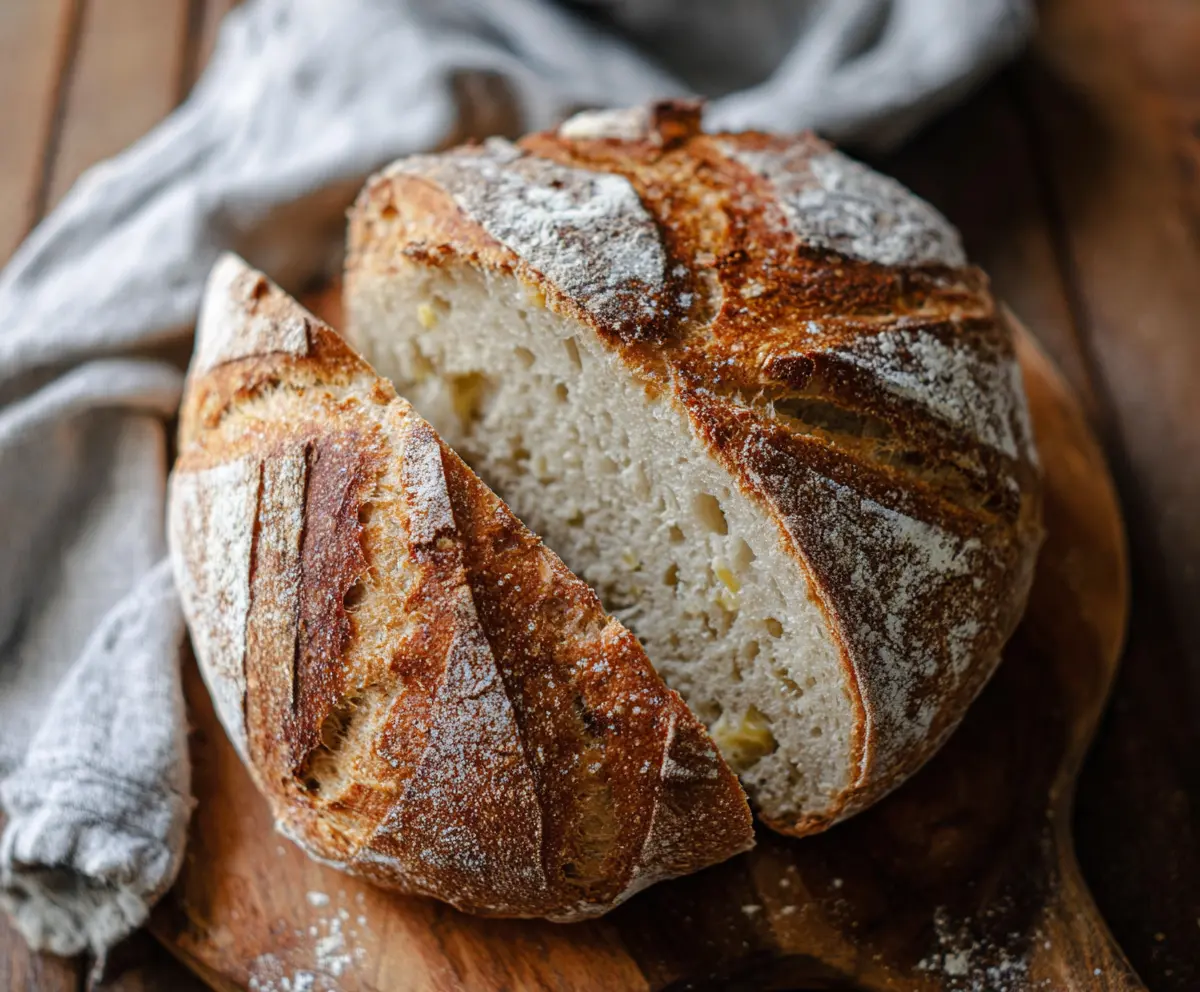
How to Make Artisan Sourdough Bread
Ingredients You’ll Need:
- 500 grams (about 4 cups) bread flour, plus extra for dusting
- 350 ml (1.5 cups) water, lukewarm
- 100 grams (about ½ cup) active sourdough starter (fed and bubbly)
- 10 grams (1.5 teaspoons) sea salt
How Much Time Will You Need?
This recipe will take approximately 5 to 7 hours, including active and resting time. You’ll spend about 1 hour for mixing and initial resting, followed by 4 to 6 hours of fermentation, and another hour for baking and cooling. It’s worth the wait for that delicious, homemade bread!
Step-by-Step Instructions:
1. Feed Your Starter:
Before you begin baking, make sure your sourdough starter is active and bubbly. If it has been in the fridge, take it out and feed it a few hours before you plan to bake.
2. Mix the Dough:
In a large mixing bowl, combine the bread flour and lukewarm water. Mix just until there are no dry spots, then cover the bowl with a cloth. Let it sit for about 1 hour. This resting time is called autolyse and helps develop the dough’s structure.
3. Add Starter and Salt:
After the autolyse, add your active sourdough starter and sea salt to the dough. Mix everything together until well incorporated. The dough will feel sticky and loose, which is perfectly normal!
4. Bulk Fermentation and Folding:
Cover the bowl with a damp cloth or plastic wrap. Allow the dough to ferment at room temperature for roughly 4 to 6 hours. During the first 2 hours, every 30 minutes, perform a stretch and fold: grab one side of the dough, stretch it up, and fold it over itself. This helps develop the gluten structure!
5. Shape the Dough:
Once fermentation is complete, lightly flour your work surface and gently turn the dough out. Shape the dough into a round boule or oval loaf by tucking the edges into the center. Place it seam-side up in a well-floured banneton or a bowl lined with a floured kitchen towel.
6. Final Proof:
Cover the shaped dough and let it proof for about 2 to 4 hours at room temperature. It’s ready when it passes the ‘poke test’—gently press the dough, and it should spring back slowly but not completely.
7. Preheat Oven and Dutch Oven:
While the dough is final proofing, place a Dutch oven or a heavy oven-safe pot with a lid in your oven and preheat it to 230°C (450°F). Let it preheat for at least 30 minutes to ensure it’s really hot.
8. Score and Bake:
Carefully turn the proofed dough onto a piece of parchment paper. Using a sharp knife or a bread lame, score the top of the dough with a few slashes. This allows steam to escape as it bakes. Transfer the dough (with the parchment) into the hot Dutch oven, cover with the lid, and bake for 20 minutes.
9. Remove Lid and Finish Baking:
After 20 minutes, carefully remove the lid and bake for an additional 20 to 25 minutes, or until the crust is a deep golden brown and crispy.
10. Cool:
Once baked, take the bread out of the oven and carefully place it on a wire rack to cool completely. Letting it cool is important to set the crumb and enhance flavor. Patience is key here before you slice into your beautiful loaf!
Enjoy your delicious homemade artisan sourdough bread with butter or your favorite toppings!
Can I Use All-Purpose Flour Instead of Bread Flour?
Yes, you can substitute with all-purpose flour, but your bread may not have the same chewy texture and crusty exterior. Bread flour has higher protein content, which helps develop gluten for that perfect rise.
What Should I Do If My Sourdough Starter Isn’t Bubbling?
If your starter isn’t bubbly, give it a good feed and let it sit at room temperature for a few hours. Ideally, it should be active and bubbly before you use it in the recipe. If it still doesn’t rise, it may need more frequent feedings to become more robust.
Can I Refrigerate the Dough After Shaping?
Absolutely! If you want to bake the bread later, you can refrigerate the shaped dough after the first proof. Just be sure to cover it well. When you’re ready to bake, let it sit at room temperature for about 30 minutes before baking.
How Do I Store Leftover Bread?
Store leftover sourdough bread in a paper bag at room temperature for up to 3 days. If you want to keep it longer, slice and freeze it in an airtight container. Just toast or warm the slices when you’re ready to enjoy them!