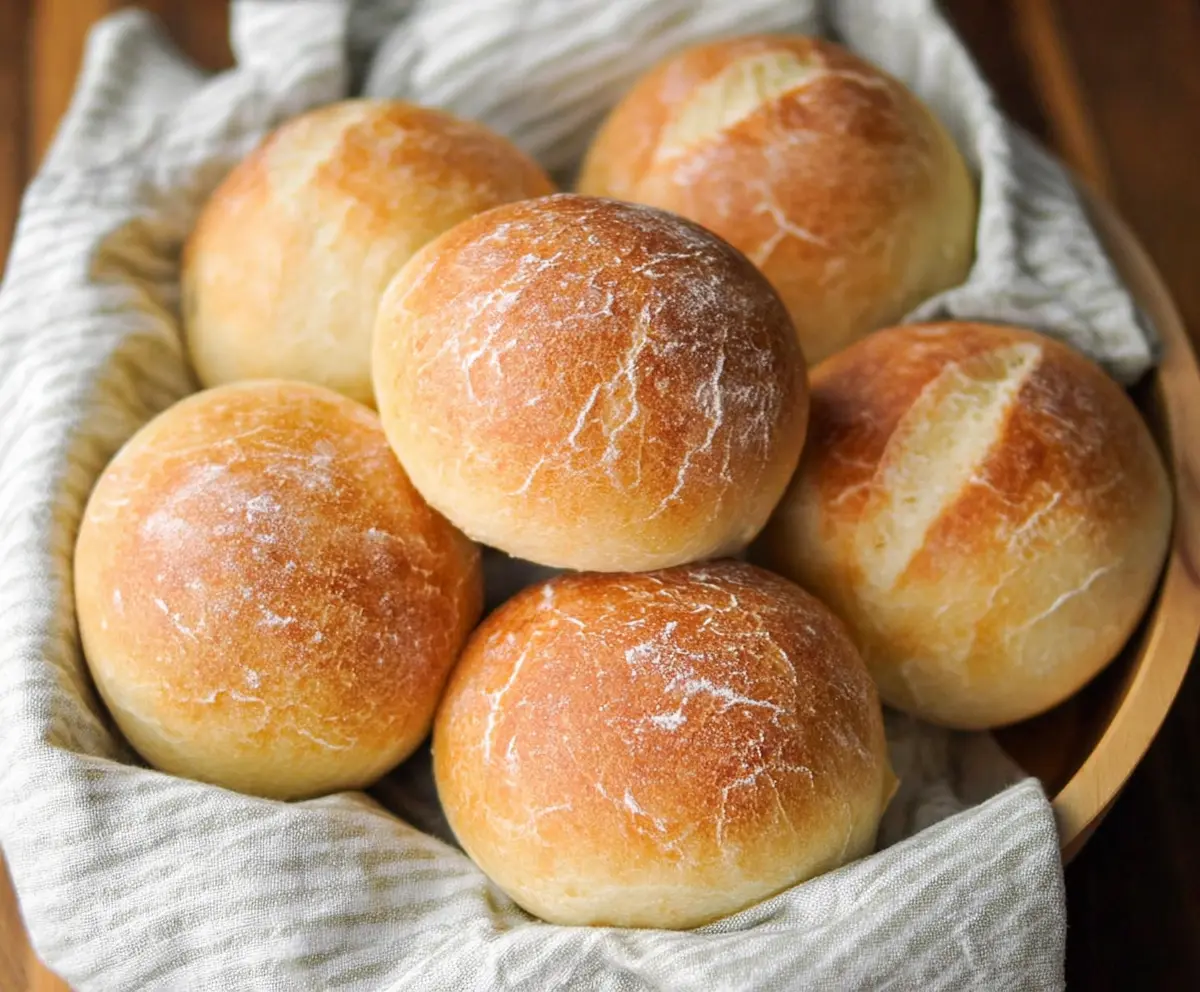
These Crusty Sourdough Dinner Rolls are the perfect side for any meal! With their crispy outside and soft, chewy inside, they are super inviting and hard to resist.
Honestly, you might want to bake extra because they disappear fast! I love enjoying them warm with a pat of butter. It’s a simple joy that makes any dinner feel special!
Key Ingredients & Substitutions
Sourdough Starter: Your active sourdough starter is crucial. If you don’t have one, you can buy frozen starters or purchase fresh at a bakery. Just remember, it needs to be active and bubbly for the best results!
Flour: All-purpose flour works great, but for extra chewiness, you might try bread flour. If you’re gluten-free, look for a blend that mimics all-purpose flour, but be mindful of the moisture content!
Water: Lukewarm water helps activate the starter. If your kitchen is cold, feel free to warm it up slightly, but don’t make it hot – you want it cozy, not boiling!
Olive Oil or Butter: This adds richness. If you’re looking for a vegan option, stick with olive oil. For a nutty flavor, try melted coconut oil. I’ve used both and they work wonderfully!
Cornmeal or Flour for Dusting: I love using cornmeal for that crispy texture on the bottom. If you don’t have it, extra flour works too. Just remember to dust enough so the rolls don’t stick!
How Do You Achieve a Perfect Rise?
The rising process is vital for light and fluffy rolls. Keep these tips in mind for a successful rise:
- Make sure your sourdough starter is active. Feed it at least 6-8 hours before you start your dough.
- Ideal rising temperature is warm but not too hot—about 70-80°F (21-27°C) is perfect.
- Covering the bowl helps retain moisture. A damp cloth or plastic wrap works well.
Be patient! The first rise should double in size, it may take longer on cooler days. If in doubt, let it rise a bit longer.
What’s the Best Way to Knead the Dough?
Kneading is key to developing gluten, which gives structure to your rolls. Here’s how to do it right:
- Flour your surface lightly to keep the dough from sticking.
- Use the “push and fold” method: push the dough away with the heel of your hand, fold it over, and turn a quarter turn. Repeat for 8-10 minutes.
- If using a stand mixer, knead on low speed for about 6-7 minutes until the dough is smooth and elastic.
Don’t skip this step! Proper kneading provides the texture we all love in a good roll.
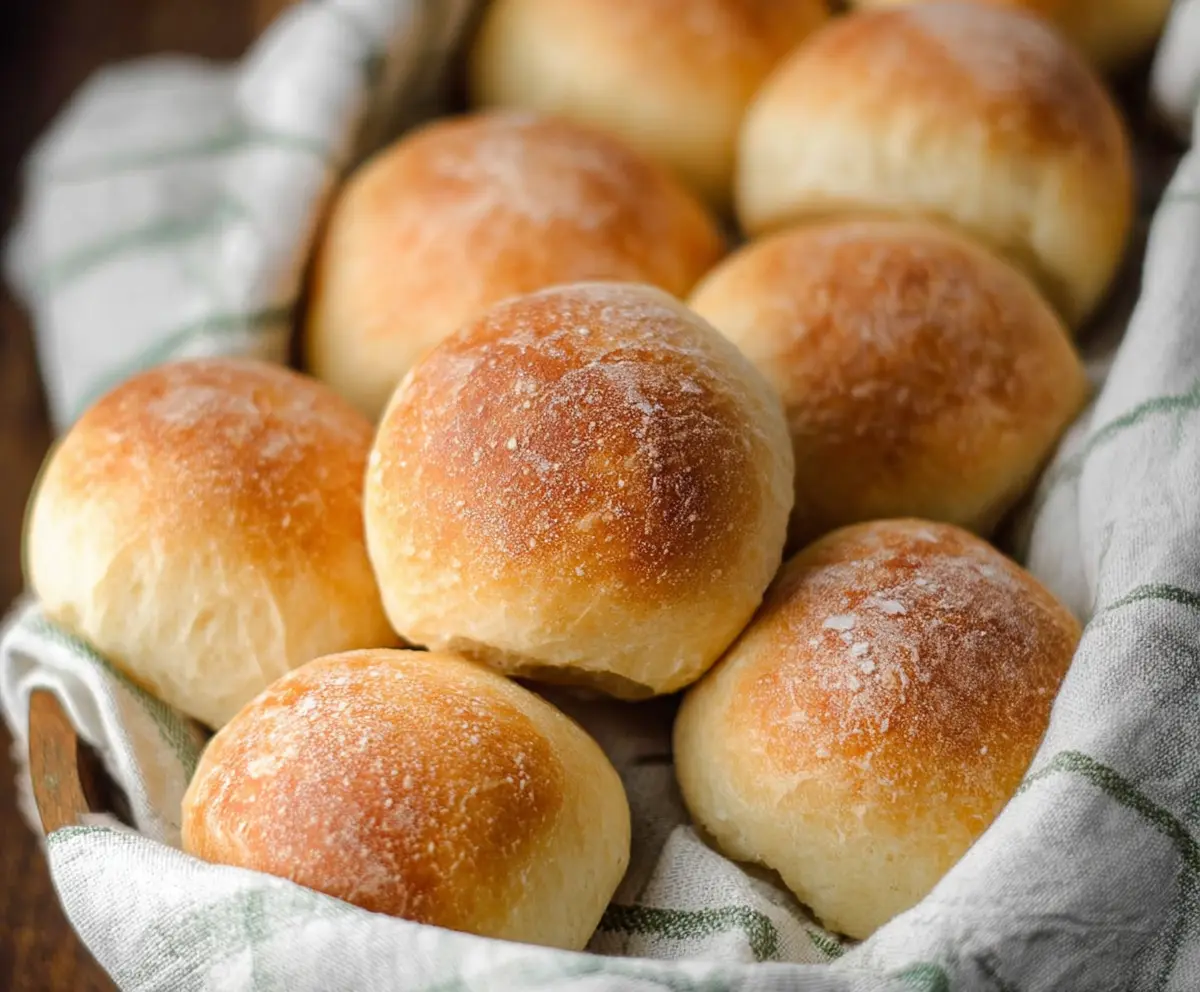
How to Make Crusty Sourdough Dinner Rolls
Ingredients You’ll Need:
For the Dough:
- 1 cup (240 ml) active sourdough starter (100% hydration)
- 3 ½ cups (420 g) all-purpose flour
- 1 cup (240 ml) lukewarm water
- 2 tbsp olive oil or melted butter (optional for a softer crust)
- 2 tsp salt
- Cornmeal or extra flour for dusting
How Much Time Will You Need?
This recipe will take approximately 4-6 hours for the first rise (which can vary depending on your kitchen temperature), plus about 1-2 hours for the rolls to proof. The actual hands-on time for mixing and shaping is around 30-40 minutes, and baking takes about 20-25 minutes. So, get ready for delicious rolls in about 6-8 hours total!
Step-by-Step Instructions:
1. Prepare the Dough:
In a large mixing bowl, combine the active sourdough starter and lukewarm water. Stir them together until well mixed and frothy. This is the foundation of your rolls!
2. Mix in the Flour and Salt:
Gradually add the all-purpose flour and salt to the starter mixture. Use a wooden spoon or a dough hook on low speed to stir until a shaggy dough forms. It should be a bit sticky, but don’t worry; that’s what makes the rolls light and airy!
3. Knead the Dough:
Turn out the dough onto a lightly floured surface. Knead it for about 8-10 minutes until it’s smooth, elastic, and slightly tacky. If you’re using a stand mixer fitted with a dough hook, knead for about 6-7 minutes. Your effort now will pay off with fluffy rolls later!
4. Let It Rise:
Lightly oil a large, clean bowl and place the dough inside, turning it around to coat it with oil. Cover the bowl with a damp cloth or plastic wrap. Let it rise at room temperature for about 4-6 hours, or until it has roughly doubled in size. Be patient, this is where the magic happens!
5. Shape the Rolls:
Once the dough has risen, turn it out onto a floured surface. Gently deflate the dough (don’t worry, it’s supposed to lose some air) and divide it into 6 equal portions. Shape each portion into a round ball by folding the edges under and creating a tight surface on top.
6. Prepare for Proofing:
Lightly dust a baking sheet or tray with cornmeal or flour to prevent sticking. Place the shaped rolls on the baking sheet, spaced evenly apart, allowing room for them to puff up.
7. Proof the Rolls:
Cover the rolls with a kitchen towel and let them proof for another 1-2 hours until they are puffy and have grown in size. This step is crucial for achieving that light and airy texture.
8. Preheat the Oven:
While the rolls are proofing, preheat your oven to 425°F (220°C). To create steam for a crusty exterior, place a shallow pan filled with water on the bottom rack of the oven.
9. Prepare for Baking:
Just before baking, lightly dust the tops of the rolls with flour. For a rustic look, you can also make a small slash in the top of each roll with a sharp knife or razor blade to allow them to expand while baking.
10. Bake the Rolls:
Place the rolls in the preheated oven and bake for about 20-25 minutes, or until they turn golden brown and sound hollow when tapped on the bottom. Keep an eye on them – you want that beautiful crust!
11. Cooling Time:
Once baked, remove the rolls from the oven and transfer them to a wire rack. Let them cool for at least 15 minutes before serving. This waiting time helps the crumb set properly, making your rolls even more delicious!
Enjoy your crusty sourdough dinner rolls fresh with butter, alongside a warm soup, or as the perfect accompaniment to any meal!
Can I Use a Different Type of Flour?
Yes! While all-purpose flour works great, you can use bread flour for a chewier texture. If you’re going gluten-free, try a gluten-free all-purpose blend, keeping in mind the hydration levels may need adjusting.
What If My Dough Doesn’t Rise?
If your dough isn’t rising, it could be due to an inactive starter. Make sure your sourdough starter is bubbly and fed before use. Also, check your room temperature; a warmer spot can encourage a better rise.
How Do I Store Leftover Rolls?
Store any leftover rolls in an airtight container at room temperature for up to 2 days. If you want to keep them longer, freeze them! Just wrap well in plastic and then in foil before placing them in the freezer. Thaw at room temperature or warm in the oven for a few minutes before serving.
Can I Make These Rolls Without a Stand Mixer?
Absolutely! You can knead the dough by hand on a floured surface. It may take a little more effort, but it’s a great way to get familiar with the dough’s texture. Just make sure to knead for about 8-10 minutes until it’s smooth and elastic.