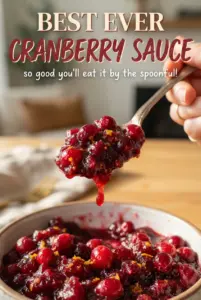
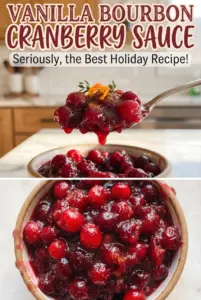
Glossy cranberry sauce with a bright citrus edge and a spoonable texture earns its place on the table fast. The berries burst into a deep ruby syrup that tastes fresher and cleaner than the canned stuff, and the orange plus cinnamon keep it from landing flat or one-note. It’s the kind of side that wakes up everything next to it, from roast turkey to leftover sandwiches.
The trick is balancing sugar and liquid so the sauce sets up thick without turning jammy. Orange juice does more than add flavor here; it softens the sharp cranberry bite and gives the sauce enough body to cook down properly. Brown sugar adds a little molasses depth, while the vanilla goes in at the end so it stays fragrant instead of boiling off.
If you’ve had cranberry sauce turn out too thin, too sweet, or oddly bitter, the notes below will help you steer around that. There’s also a simple way to tell when it’s done on the stove, because cranberry sauce always thickens more after it cools.
The sauce set up perfectly after chilling, and the orange zest made it taste bright instead of overly sweet. I served it with roast chicken and ended up spooning the leftovers onto toast the next morning.
Save this cranberry sauce for the kind of holiday side that turns out glossy, citrusy, and thick enough to hold its shape on the spoon.
The Reason Cranberry Sauce Turns Thin, and How This One Sets Up Properly
Cranberry sauce often looks done while it’s still loose in the pan. That’s because the liquid needs time to reduce after the berries burst, and the pectin in the fruit only starts doing its job once the mixture has had a proper simmer. Pull it too early and you get cranberry soup; leave it on the heat until the bubbling slows and the sauce lightly coats a spoon, and it will finish thickening as it cools.
The other thing that helps here is using both orange juice and water. The juice brings acidity and flavor, while the water keeps the sugars from making the sauce harsh or sticky before the berries break down. If the pan boils too hard, the edges can catch and taste bitter, so keep it at a steady simmer once the cranberries go in.
What Each Ingredient Is Doing in This Cranberry Sauce
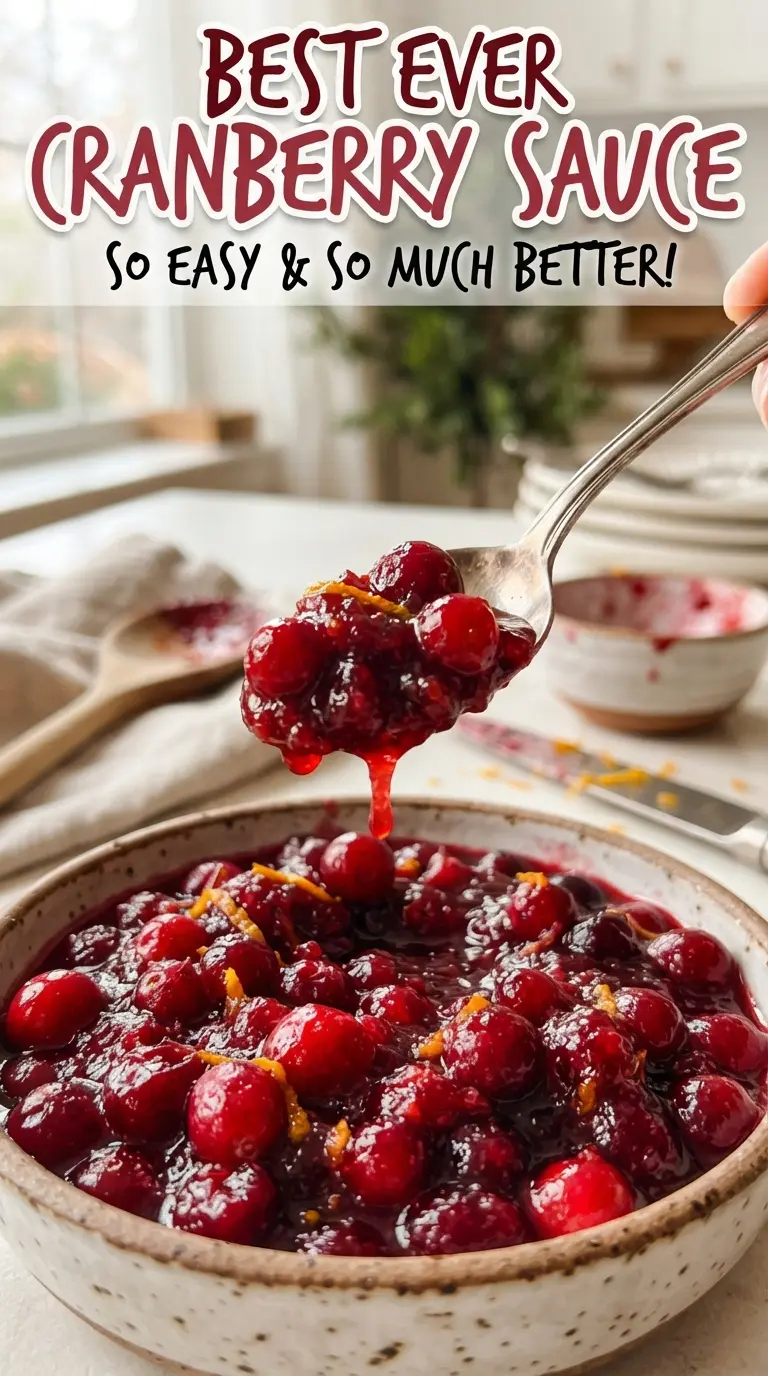
- Fresh cranberries — These are the backbone of the sauce. They burst as they cook and naturally thicken the mixture, so fresh or frozen both work well, but don’t thaw frozen berries first or they’ll soften too quickly and lose some texture.
- Orange juice and zest — Juice adds brightness and helps the sauce cook down smoothly. Zest goes in at the end because that’s where the most fragrant oils live; if you cook it too long, you lose the fresh citrus note.
- Granulated sugar and brown sugar — The granulated sugar sweetens cleanly, while the brown sugar adds a rounder, deeper flavor. You can use all granulated sugar if that’s what you have, but the sauce will taste a little sharper and less layered.
- Cinnamon stick — This infuses the sauce with warmth without leaving gritty spice behind. A pinch of ground cinnamon can stand in if needed, but use it sparingly or the sauce will taste muddy.
- Vanilla extract — Vanilla softens the tart edge at the very end and makes the whole sauce taste fuller. Stir it in after removing the pan from the heat so the aroma stays intact.
How to Cook Cranberries Until They Burst, Not Burn
Start with the syrup base
Combine the sugars, orange juice, water, cinnamon stick, and salt in a saucepan and bring the mixture to a boil, stirring until the sugar disappears. You want a clear, glossy liquid before the berries go in. If you start with sugar crystals still sitting in the pan, the sauce can taste grainy and the bottom can scorch as it reduces.
Cook until the berries pop open
Add the cranberries and bring everything back to a boil, then reduce the heat to a steady simmer. The berries should begin to pop after a few minutes, and the liquid will turn from watery to syrupy. Stir often so the berries on the bottom don’t stick and split unevenly.
Stop at the right thickness
Simmer for 10 to 12 minutes, until most of the berries have burst and the sauce looks thicker than you think you need. It should still look loose in the pan, with a glossy sheen and plenty of whole berries suspended in it. If it has reduced to a paste, it went too far; if it still looks like juice, keep going another minute or two.
Finish off the heat
Remove the pan from the heat and stir in the orange zest and vanilla, then fish out the cinnamon stick. This keeps the brightest flavors from cooking away and gives the sauce a fresher finish. Cool it to room temperature before chilling, because cranberry sauce tightens up a lot once it’s cold.
How to Adjust This Cranberry Sauce for Different Tables
Less Sweet, More Tart
Cut the granulated sugar back by 2 to 3 tablespoons if you like your cranberry sauce sharper. The sauce will still set, but it will taste brighter and less jam-like, which works well next to rich roasts.
Dairy-Free and Gluten-Free by Default
This recipe already fits both diets as written, which is part of why it’s such an easy side dish to bring to a mixed table. Just check that your vanilla is pure and your spices haven’t picked up any additives if you’re cooking for someone with sensitivities.
Frozen Cranberries Instead of Fresh
Frozen cranberries work straight from the freezer, no thawing needed. They’ll release a little extra liquid at first, so give the sauce the full simmer time and wait until it looks thick in the pan rather than judging it too early.
Storage and Reheating
- Refrigerator: Store in an airtight container for up to 1 week. It will thicken more as it sits, so don’t panic if it looks loose on day one.
- Freezer: Cranberry sauce freezes well for up to 3 months. Freeze it in a sealed container with a little space at the top for expansion, then thaw overnight in the fridge.
- Reheating: Serve it cold or bring it to room temperature. If you want it warm, heat gently over low heat with a splash of water; high heat can make the sugars tighten up and stick.
Answers to the Questions Worth Asking
Best Ever Cranberry Sauce
Ingredients
Equipment
Method
- Combine granulated sugar, brown sugar, orange juice, water, cinnamon stick, and salt in a saucepan and bring to a boil over high heat, stirring until the sugar dissolves. Visual cue: the liquid should look clear and uniform before adding the cranberries.
- Add fresh cranberries and return the mixture to a boil. Visual cue: you should see rapid bubbling all over the surface.
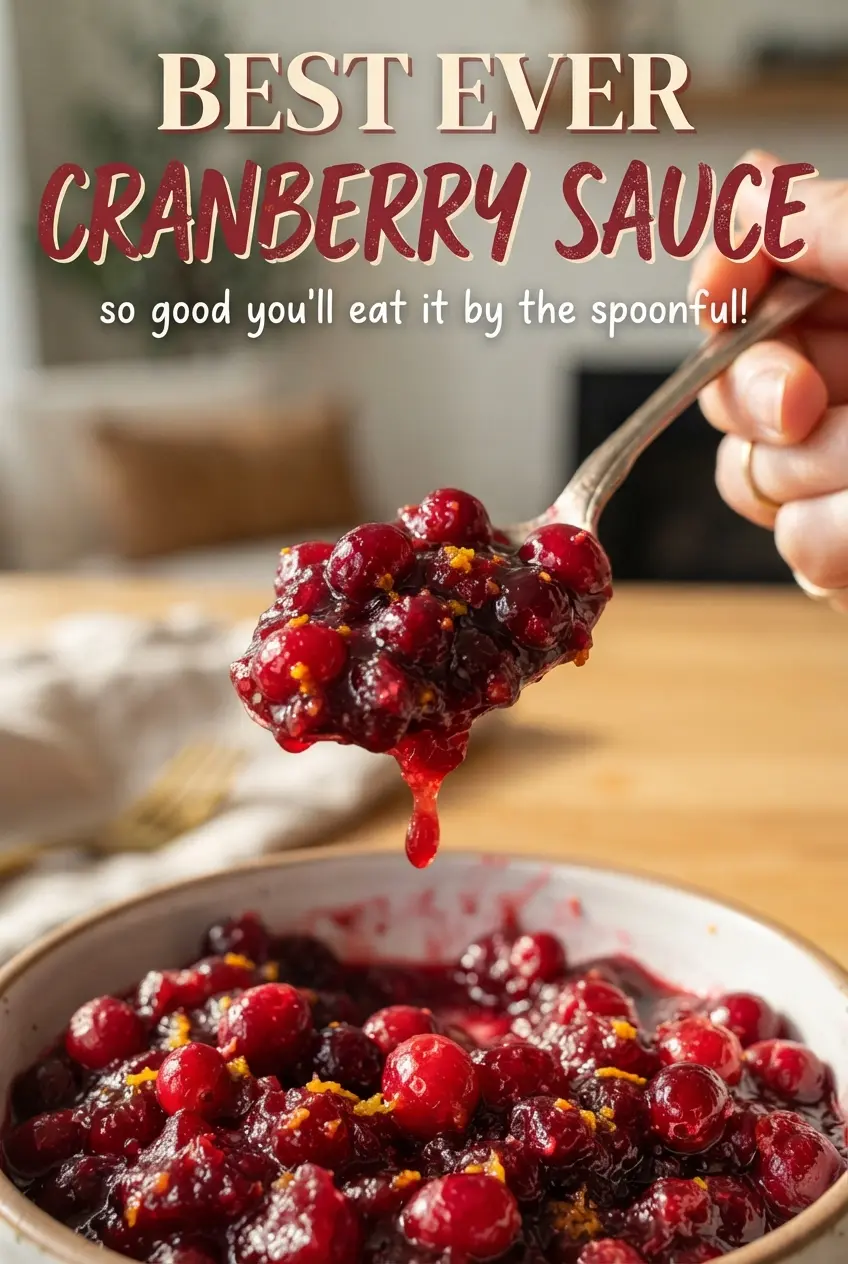
- Reduce heat to low and simmer 10-12 minutes, stirring often, until most berries burst and the sauce thickens. Visual cue: the sauce will look glossier and coats the back of a spoon.
- Remove from heat and stir in orange zest and vanilla extract, then discard the cinnamon stick. Visual cue: the sauce should smell bright and look slightly thicker than right after simmering.
- Cool to room temperature, then chill until it thickens further as it cools. Visual cue: the sauce should hold its shape when spooned.