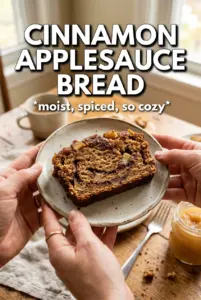
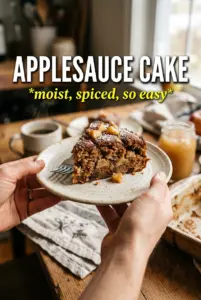
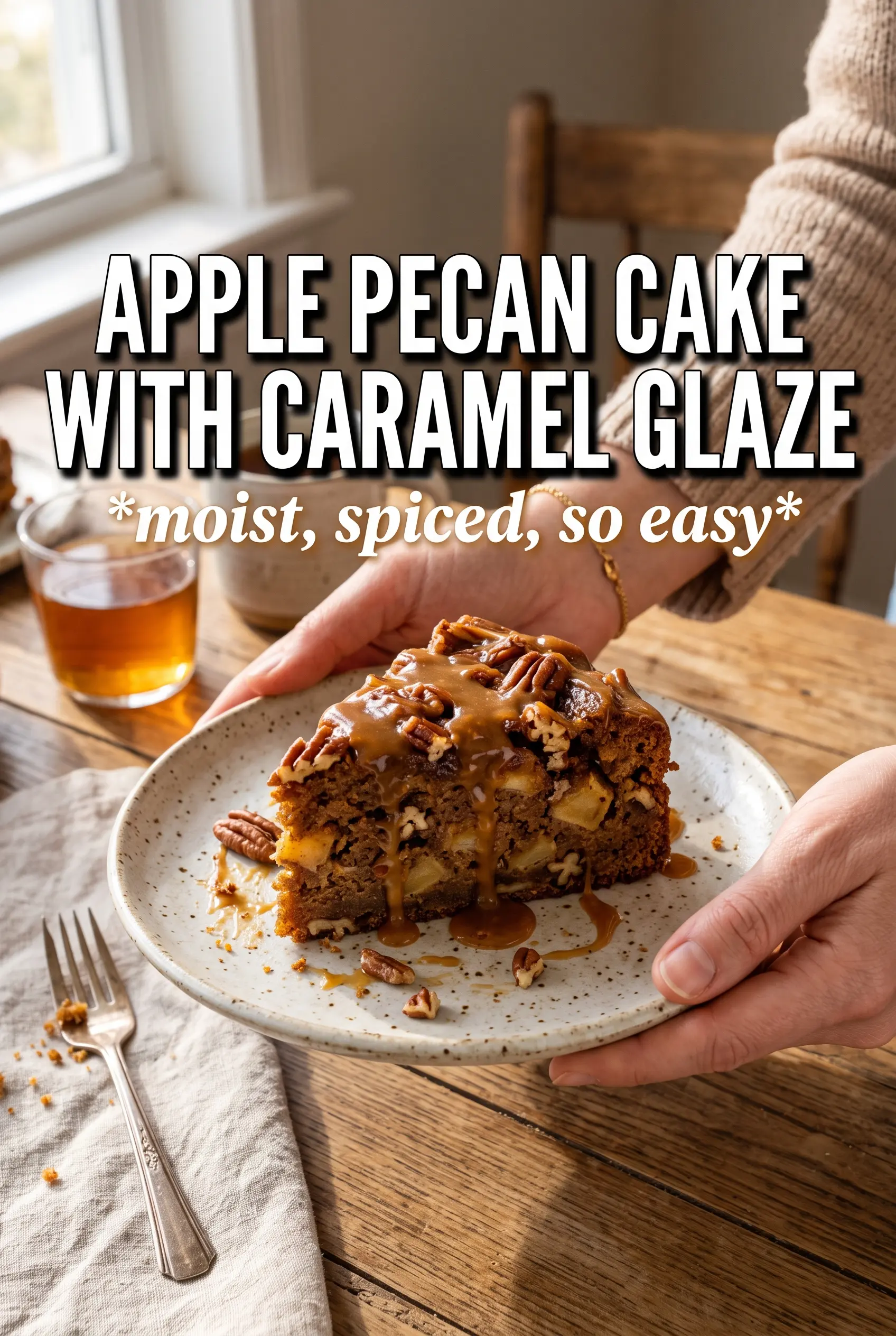
Apple pecan cake earns its keep when the crumb stays tender, the apples bake into soft pockets, and the caramel glaze settles into every ridge of the pan instead of sliding right off. This bundt version does that well. It’s sturdy enough to unmold cleanly, but the slice still eats like a proper dessert: moist from the fruit, nutty from the pecans, and finished with a glossy brown-sugar glaze that tastes like it belongs there.
The trick is in the balance. Oil keeps the cake soft for days, while the apples add moisture without turning the crumb heavy. The batter also stays easy because the fruit and nuts are folded in at the end, after the flour is just mixed in, so the cake doesn’t get dense or tough from overworking. The glaze is cooked long enough to thicken slightly, but not so long that it turns grainy.
Below, I’m walking through the part that matters most: how to keep the bundt from sticking, how to know the cake is baked through, and what to do if your glaze starts to set before it’s poured.
The glaze set up beautifully and soaked into the ridges instead of running off. I followed the cooling time exactly, and the cake came out of the bundt pan in one clean piece with a soft, moist crumb.
Save this apple pecan bundt cake with caramel glaze for the kind of dessert that slices cleanly and still pours on with glossy, buttery drama.
The Bundt Pan Is Where This Cake Succeeds or Fails
A cake like this lives or dies by the pan release. The batter is heavy with fruit and pecans, so if the bundt isn’t greased every last ridge, it can grab hard once it cools. Use a generous coating of grease and flour, and get into the center tube and every curve. That extra minute is the difference between a clean unmold and a broken edge.
The other thing people miss is the cooling window. If you turn it out too soon, the cake can tear because the structure hasn’t set. Wait about 20 minutes, then invert it onto a rack. That timing gives the crumb enough strength to hold its shape while still releasing before the sugar in the cake cools and clings to the pan.
What the Apples, Pecans, and Brown Sugar Are Doing Here
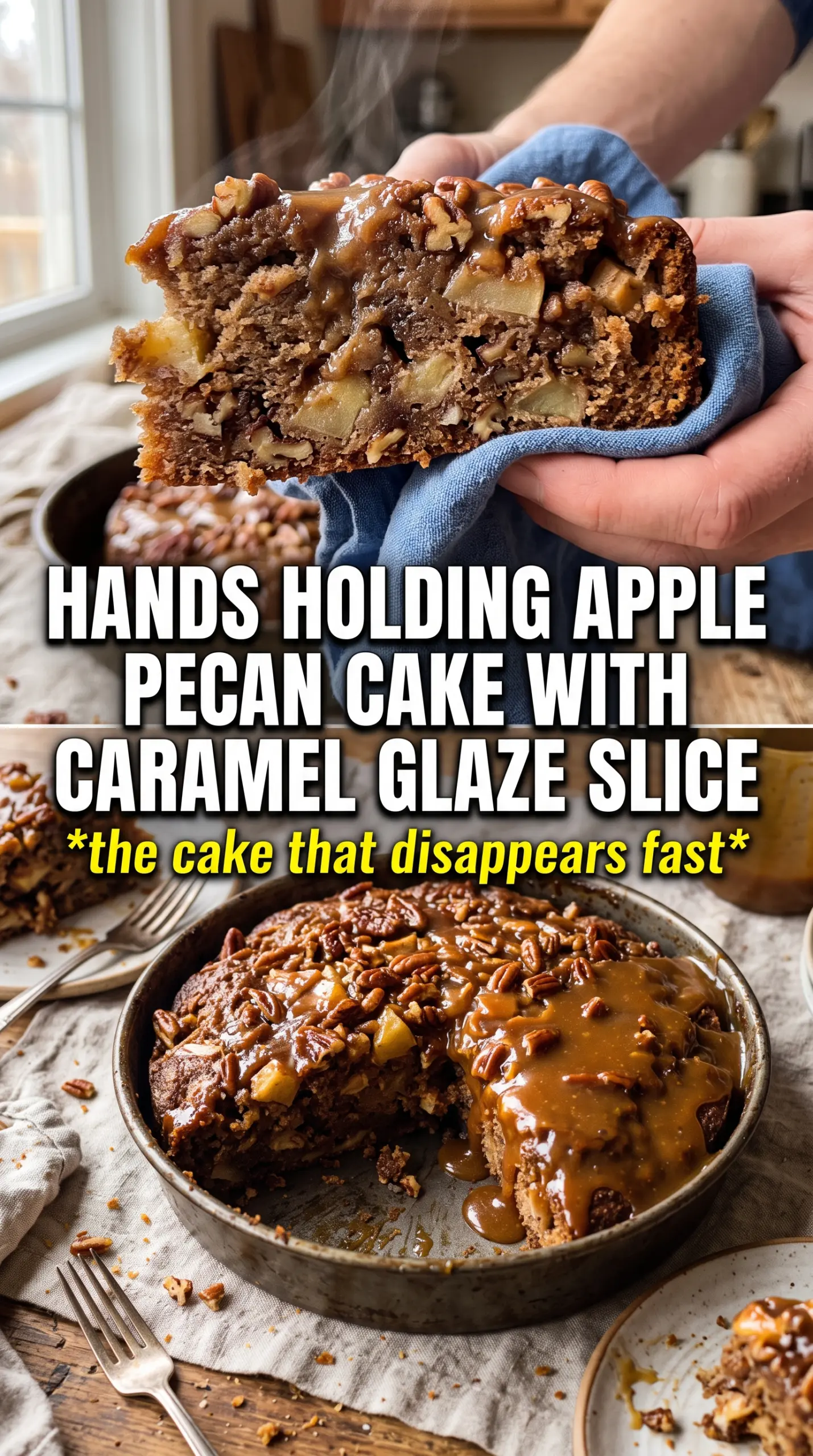
- Apples — These bring the moisture that keeps the cake soft for days. Dice them small so they disappear into the crumb instead of falling to the bottom. Tart baking apples hold their shape best, but any firm apple works if it isn’t mealy.
- Vegetable oil — Oil is what gives this cake that tender, almost plush bite. Butter can work in a pinch, but it won’t stay as soft on day two. If you swap it, use melted unsalted butter in the same amount and expect a slightly firmer crumb.
- Brown sugar — This shows up in both the cake and the glaze because it adds depth, not just sweetness. Packed brown sugar gives the cake a warmer, molasses note and helps the glaze taste like caramel instead of plain syrup.
- Pecans — They need to be roughly chopped, not ground. Bigger pieces give the cake texture and keep the nut flavor noticeable after baking. Toasting them first deepens the flavor, but it’s optional if you’re short on time.
- Cinnamon — This is the quiet background note that makes the apples taste more like apples. It should support the fruit, not take over. If yours is old and flat, replace it; stale cinnamon makes the cake taste dull.
Building the Batter and Pouring the Glaze at the Right Time
Mix the Dry Ingredients First
Whisk the flour, baking soda, cinnamon, and salt together before anything else. That step keeps the leavener and spice distributed evenly, which matters in a thick bundt batter like this one. If you skip it, you can end up with pockets that taste salty or cake that rises unevenly.
Beat the Sugars, Eggs, and Oil Until Smooth
Stir the sugars, eggs, and oil until the mixture looks combined and a little glossy. You’re not trying to whip in a ton of air here; you just want the sugar to dissolve a bit so the crumb bakes up fine and even. Add the vanilla after that so it doesn’t get lost in the oil.
Fold in the Fruit and Nuts Last
Once the flour mixture goes in, stop as soon as you no longer see dry streaks, then fold in the apples and pecans. Overmixing at this point makes the cake tight, and that’s the fastest way to lose the soft crumb you want. The batter will be thick, and that’s correct.
Cook the Glaze Until It Clings
Melt the butter and brown sugar over medium heat, then add the cream, vanilla, and salt and let it simmer for about 2 minutes. The goal is a glaze that pours in a ribbon and coats the back of a spoon lightly. If it boils too hard or too long, it can turn gritty; if it’s undercooked, it will run right off the cake.
Make It With Walnuts Instead of Pecans
Walnuts work well if that’s what you have, but they taste a little sharper and less buttery than pecans. Keep the amount the same and chop them by hand so the pieces stay distinct in the cake. The result is slightly more rustic and a touch less sweet.
Dairy-Free Version
Use a plant-based butter and unsweetened canned coconut cream in the glaze. The cake itself is already dairy-free, so this swap keeps the texture close without changing the method. The glaze will taste a little richer and slightly more coconut-forward, which works well with the apples and brown sugar.
Gluten-Free Adjustment
A 1:1 gluten-free baking flour blend can replace the all-purpose flour here, but use one that includes xanthan gum. The crumb may be a little more delicate, so let the cake cool fully before slicing. If the blend is very absorbent, hold back a tablespoon or two of flour only if the batter looks overly stiff.
Storage and Reheating
- Refrigerator: Store covered for up to 5 days. The crumb stays moist, though the glaze firms up and loses a little shine.
- Freezer: Freeze slices tightly wrapped for up to 2 months. The cake freezes well; thaw at room temperature before glazing if you plan to add a fresh finish.
- Reheating: Warm slices briefly in the microwave or a low oven. Don’t overheat it, or the apples can turn soft and the glaze can melt off completely.
Questions I Get Asked About This Recipe
Apple Pecan Cake With Caramel Glaze
Ingredients
Equipment
Method
- Preheat oven to 325F, then grease and flour a 10-inch bundt pan so it releases cleanly after baking.
- Whisk all-purpose flour, baking soda, cinnamon, and salt together until evenly combined and no dry clumps remain.
- Beat granulated sugar, brown sugar, eggs, and vegetable oil until combined, then mix in vanilla extract.
- Fold the flour mixture into the wet ingredients just until combined, then fold in apples and pecans.
- Pour the batter into the prepared bundt pan and bake 65-75 minutes at 325F until a toothpick comes out clean.
- Cool the cake in the pan for 20 minutes, then invert onto a rack to cool further before glazing.
- Melt unsalted butter and brown sugar together over medium heat until smooth, then stir in heavy cream, vanilla extract, and salt.
- Simmer the glaze for 2 minutes so it thickens slightly, then pour the warm glaze over the cooled cake.